If you’ve checked out gig platforms, you know most of them slice off a chunky 20% platform fee (hello, Upwork and Fiverr).
So when I first saw Contra’s “keep 100%” pitch, it was hard not to perk up. Freelancing already means juggling clients and projects.
Why should platforms hoard a fifth of your paycheck?
I’m a pharmacist by degree, with an eye for detail and a habit of overanalyzing side hustles.
For the record, I’m not tied to Contra in any way, so what follows is just my honest take after giving it a proper spin.
The zero commission promise?
It’s real. But the experience, especially if you’re hoping to land new clients, has a few quirks and caveats that are worth knowing up front.
Here’s what you need to know about the platform before you rush to move all your freelance work over.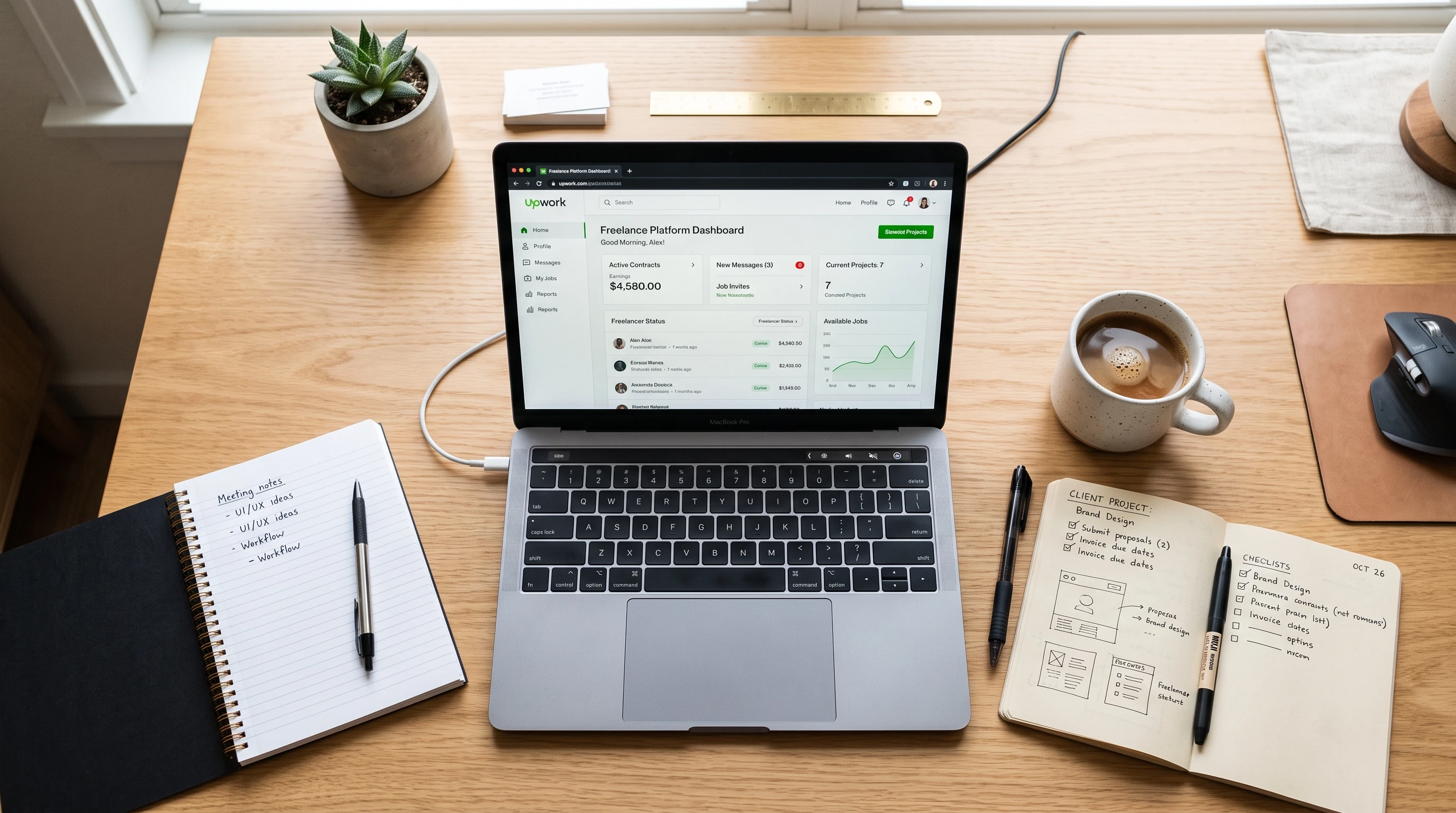

What Is Contra?
Contra popped onto the scene in San Francisco back in 2019 and quickly grabbed attention with its “no commission” angle.
Unlike random fly-by-night startups, Contra is venture-backed and has real, public founders you can look up. The credibility box is definitely checked.
The whole platform is set up as a commission-free freelance network and digital portfolio builder, aimed at freelancers and independent creators.
Over a million people have registered, and both solo workers and big-name clients like Amazon or Google show up here.
The platform wants you to treat your Contra profile not just as a gig board, but as a real showcase. Think personal website, smart contracts, and streamlined payments all in one spot.
How Does Contra Work?
I gave Contra a try out of curiosity, and it honestly felt a bit different from other sites I’d used. Here’s how the flow breaks down.
Building Your Profile
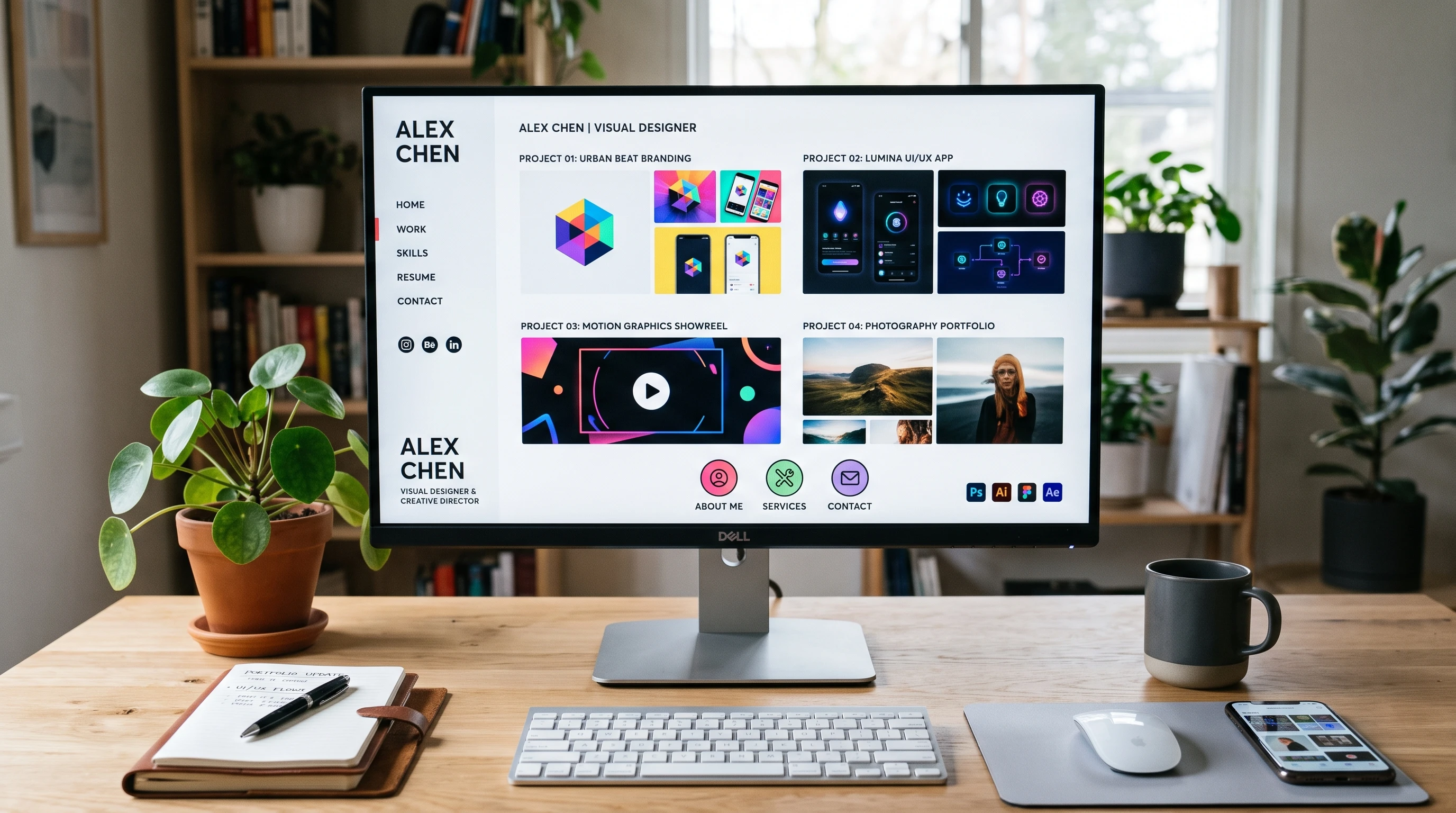
Everything starts with a profile, which is portfolio first right out the gate. You get space for case studies, links, testimonials, and examples of your best work.
Contra makes populating this easy with built-in AI tools to speed up your bio, skills, and descriptive text.
No fees or surprises here.
Sign up and profile building are totally free. The more you put into your profile, the more professional it looks, which is key since clients shop around a lot.
Finding Work
One eye-catching twist: you don’t just apply for jobs (though that’s possible). Clients can organically find you by browsing the talent directory based on skills, location, or work samples, and they can reach out directly to start a project. You can set up service offerings with your pricing front and center.
There’s also a jobs page where you can search openings, but here’s the sticky detail. Actively applying to jobs (the classic “submit a proposal” routine) is locked unless you upgrade to the paid Pro plan. If you’re hoping to hunt for gigs the old-fashioned way, that’s something you’ll want to factor in.
Payments & Contracts
This is where Contra shines.
You get built-in contract templates, invoicing, and payments all handled inside the platform, so no more chasing down PDFs or third-party pay apps.
When a client pays, you get the amount in full.
No cut taken out.
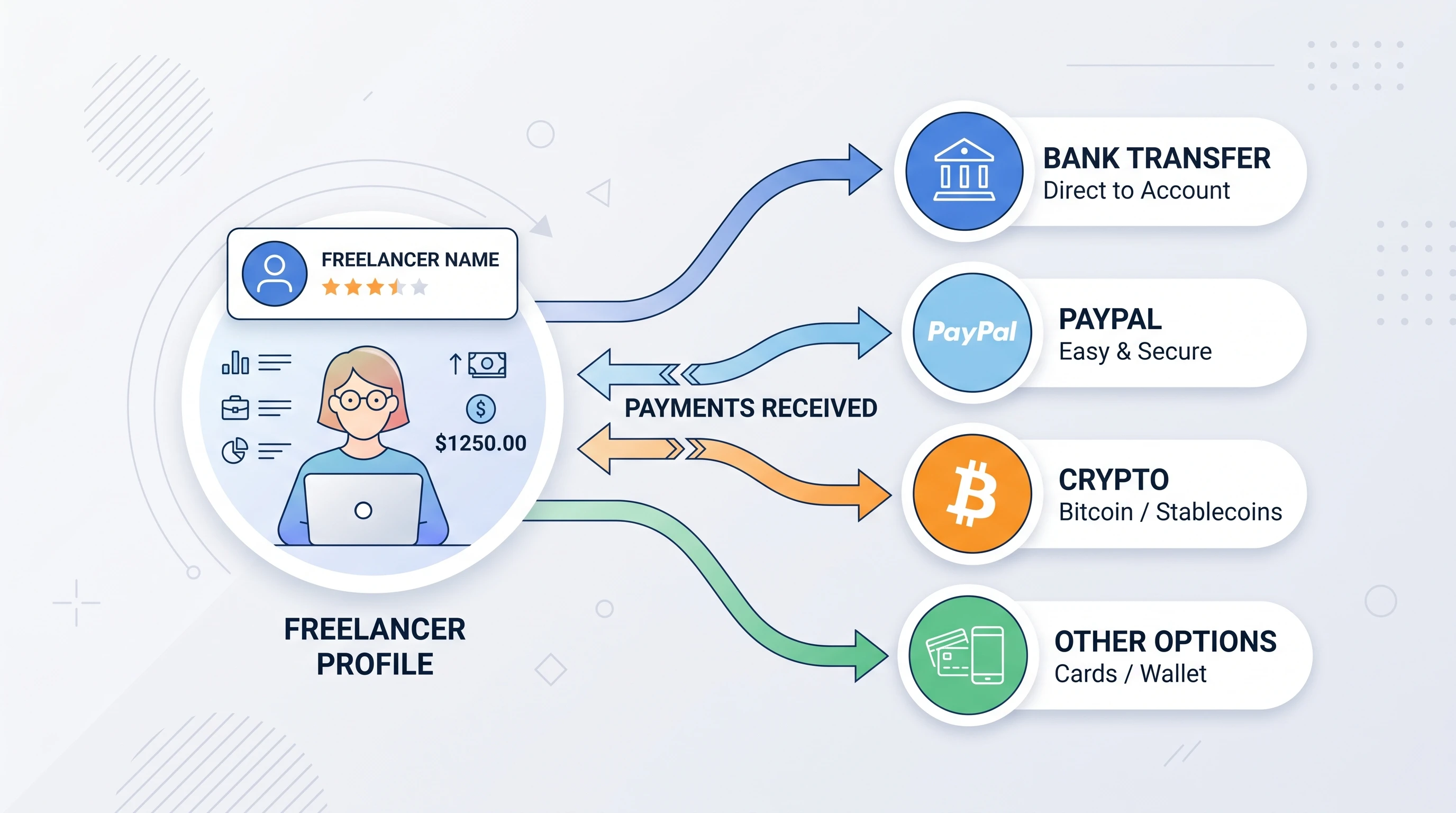
You can choose direct deposit, PayPal, or USDC (crypto stablecoin). Payment speed feels about average, with transfers processing in a few business days. Contra charges the client a modest transaction fee, not you, but just know some clients might ask about it.
How Much Does Contra Cost?
Contra’s basic account is free to set up and actually gives you access to invoicing, contract management, and receiving commission-free payments.
But if you want to go harder for new clients through “priority search,” unlock analytics, and get extra branding options, the Pro plan is a paid upgrade.
The fee isn’t wild, but you need to budget for it if applying to jobs is part of your workflow.
For some, that’s not a big deal, but if you’re all about landing new freelance gigs, it does make Contra sort of a hybrid between free and paid.
Worth noting: Unlike Upwork or Fiverr’s “pay per connect” model, you aren’t paying a percentage of each gig. Just a flat Pro plan fee if you want the job hunting tools.
Contra Pros
- 100% Earnings Stay with You: No freelancer commission fees at all. What you bill is what you keep.
- Real Company, Real People: Transparent founders and team, well funded, and public track record.
- PortfolioFirst Setup: Profile is like a slick online resume and portfolio site rolled into one.
- All-in-one Workflow: Contracts, invoices, and payments are managed from a single dashboard. No more juggling platforms.
- Global Payment Options: include crypto (USDC), PayPal, and direct deposit, even for international freelancers.
- Polished User Experience: Modern, easy to find your way interface with a sleek onboarding process.
Contra Cons
- Client Pool Feels Smaller: Not nearly as many posted jobs as Upwork or Fiverr, especially outside creative and tech niches.
- Active Searching is Paywalled: Applying for jobs straight up requires a paid Pro account. Browsing is free, but applications are limited behind a paywall.
- No FirstJob Guarantee: Paying for Pro doesn’t mean you’ll land work. There’s no insurance or fallback for your investment.
- Rejected Listings Without Reason: Some posted jobs get nixed by moderation or guidelines, and you won’t always get feedback on why. Applications from freelancers rarely get real feedback either.
- Clients Pay Transaction Fees: Not a deal breaker for most big companies, but some smaller clients do balk at paying a bit extra. That sometimes slows negotiations.
Who Is Contra Good For?
In my experience, Contra works really well for folks who already have a bit of a client roster or are looking to position themselves with a polished, creative portfolio.
The smooth workflow and portfolio system make it a handy platform for designers, copywriters, marketers, and other creative types who want a more professional, “own your brand” feel.
If you have clients you want to work with outside of the Upwork or Fiverr ecosystem, Contra can be a slick way to bill them commission-free and keep everything in one place.
It’s also useful for freelancers who want control over their rates and branding, rather than getting buried under endless proposals on other sites.
Who Should Look Elsewhere?
If you’re brand new to freelancing and have no clients or portfolio to show, Contra might feel like a ghost town. Since the organic discovery leans heavily on a strong profile, total beginners can struggle to get noticed. If “consistent, fast income” is your main goal, the smaller job pool and paywall for applying to jobs could be a hassle. You might find it easier to get started on platforms with larger marketplaces, even if they take higher commissions.
It’s also not going to work for anyone who wants to step away from the “trading hours for dollars” grind. Contra is gig-based and built around active projects.
There’s no system for building up passive income streams or getting paid while you sleep. That reality pushed me to try other approaches, so here are my two cents based on what actually worked for me.
What I Do Instead: Building Online Income Without Platforms
Affiliate marketing changed the game for me.
Instead of hustling for every new client or worrying about getting ghosted after a proposal, I started creating content online that could earn commissions over and over without extra grind.
The biggest perks?
I give my attention to creating value once, and those pages, videos, or emails can keep earning for years.
No company can shut down my profile, and I’m not depending on a busy gig market or negotiating with every client.
With my work schedule and limited free hours, being able to use mostly free traffic strategies made this path doable.
Aaron Chen’s Invincible Marketer provided a mapped-out strategy and mentorship.
That support made it possible to generate side income that keeps rolling whether I’m on shift, sleeping, or just taking a break.
Affiliate business may not be a get-rich-quick scheme, but the steady build-up of income and the ability to scale content without platform drama make it worth a shot for anyone looking to add to their earnings and free up time.
Go ahead and sign-up for Aaron’s Free Masterclass training, you’ll love it.
Frequently Asked Questions About Contra
Can you really keep all your earnings on Contra?
Yes, Contra doesn’t take any cut of your freelance pay. There’s a transaction fee for clients, but freelancers get what’s invoiced, in full.
Is there a free plan, or do I have to pay to get started?
You can create a profile and get paid for free. However, to apply for jobs and get premium features, there’s a paid Pro plan. Browsing jobs and attracting clients passively is free.
What types of freelancers do best on Contra?
People with polished portfolios, previous client relationships, or strong creative skills tend to shine. If you’re self motivated and want to build your online brand, it’s worth checking out.
Does Contra guarantee clients or income?
No, Contra makes it easier to look professional and land gigs, but there’s no guarantee you’ll get work, even with Pro. Careful research helps buyers decide if the upgrade fits their goals.
Can international freelancers use Contra?
Yes, Contra has global payouts via PayPal, direct deposit, or USDC (crypto), so you aren’t limited by location.
The bottom line: Contra’s “keep 100%” approach is real, but for some, the limited job pool and time for money model will get old fast.
For others, the clean workflow and zero freelancer fees are exactly what they need. If you want more control, and maybe some free time back, you might explore online income sources that don’t start and stop with every gig.