
If you’ve been scrolling through job boards lately, you’ve probably come across Outlier AI ads promising pay of $25 to $60 an hour for training artificial intelligence.
When generative AI exploded, it created all sorts of new jobs, but the idea of a tech company paying noncoders this much per hour to rate chatbot answers almost feels like a scam at first glance.
I get the skepticism. I’m a pharmacist with an analytical background, no business ties to Outlier or Scale AI, and I’m always poking holes in flashy claims.
Turns out, Outlier is legit, and it does pay. But there’s a massive difference between those headline rates and what people actually earn. That’s where things get interesting.

What Is Outlier AI?
Outlier AI is run by Scale AI, a San Francisco tech company with over $1 billion in funding from top investors and deep roots in the world of data labeling and machine learning.
Scale AI is pretty well known if you follow the AI industry. Big names like OpenAI and Meta have contracted them for high-volume data training.
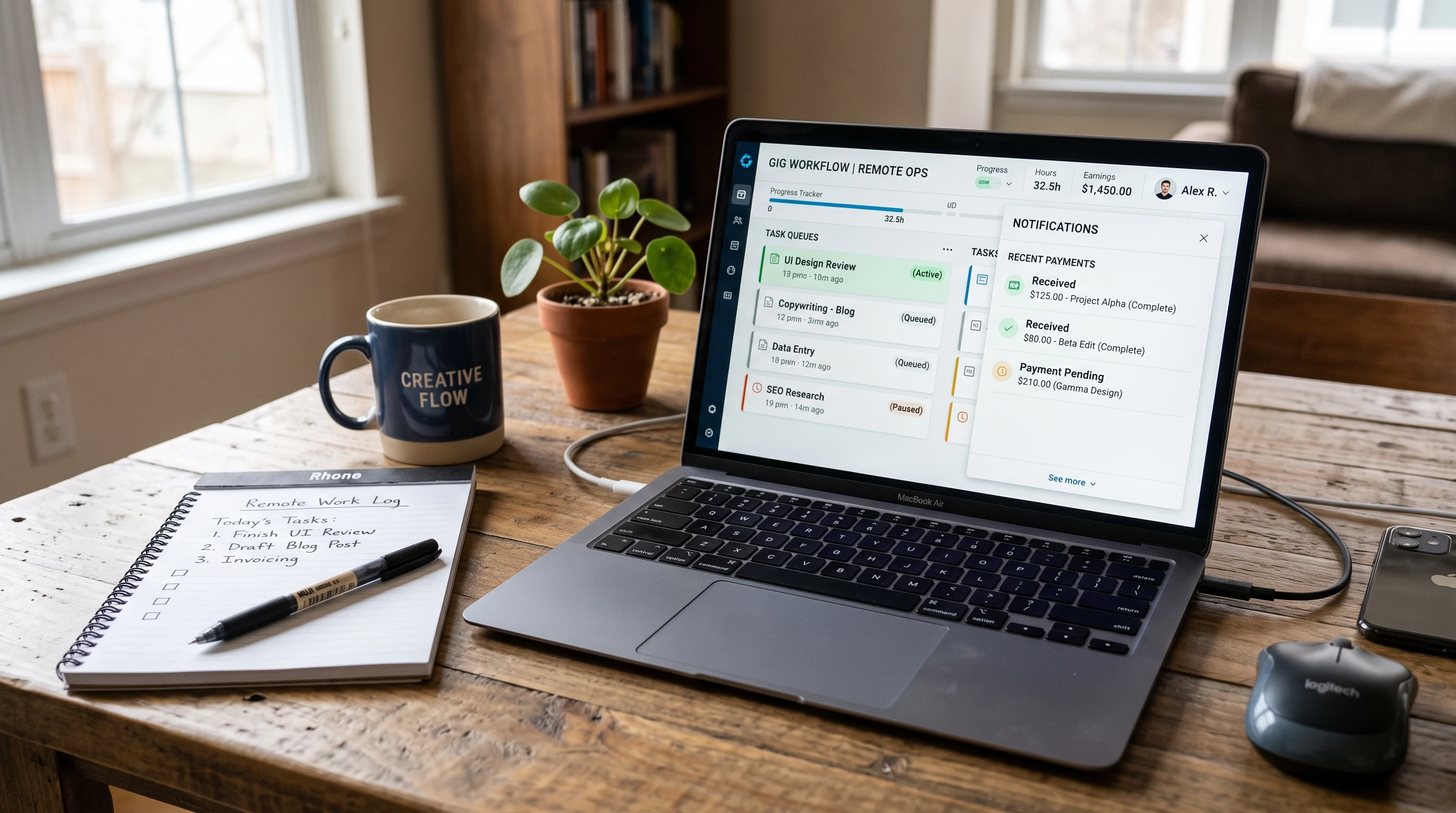
Outlier is their remote gig work platform that matches freelancers and domain experts with tasks to help train and test AI models.
So, you’re not grading online quizzes or tagging family photos. Outlier is focused on evaluating machine-generated content, writing prompts, reviewing chatbot replies, and identifying errors in AI output.
Outlier has been around since 2023 and, as of 2026, it’s got almost 100,000 contributors globally.
The focus isn’t on cheap labor or endless microtasks.
Most of the projects they offer are aimed at people with real subject expertise or relevant degrees, like pharmacists, lawyers, teachers, and developers.
If you’re picturing quick surveys or clickwork, this isn’t really that. It’s more like being an on-call editor, prompt engineer, or subject reviewer for cutting-edge AI models. That’s what grabbed my attention as someone with a science background. And those huge pay claims in their job ads didn’t hurt either.
What’s particularly eye-catching is how Outlier is shifting the image of gig work, moving away from rushed microtasks and toward substantial professional tasks.
If you come from a background with a solid degree or hands-on expertise in a regulated field, you’ll find this platform is more like freelance consulting than any crowdsourcing gig you’ve seen before.
How Does Outlier AI Work?
Application
The application process at Outlier is more involved than most freelance platforms. You’ll submit a detailed resume (or LinkedIn), allow for government ID verification, and may be asked for proof of your degree.
There’s a screening test too, sometimes called a General Reasoning Assessment, and reports from workers suggest you need to score at least 80% to qualify for projects.
Even with the right credentials, not everyone is accepted.
Outlier usually assigns a bit of unpaid training to get you up to speed on task requirements if you’re a match.
This whole process can take days or weeks, so it’s not something you start the day you need cash.
Outlier’s application system is quite thorough, specifically because clients expect quality results.
The system asks for specific examples or demonstrations of your expertise, whether through writing assessments or case scenario reviews. Each application can feel more like a job application than just unlocking an online gig.
The Work
The actual work is split into projects based on your field and skills.
For example, I saw projects for evaluating medical chatbot responses (pharmacists, nurses, or MDs only), grading student essays, rating code generation, or writing prompts for improved AI reasoning.
Most contributors say you’re given access to tasks based on your degree and how you did in the initial screening or project training.
You log in as work is available. There’s no fixed schedule, so hours are totally flexible and you can do it from anywhere with a good internet connection. But that flexibility comes at a price. Sometimes there’s plenty to do, and sometimes you’re left waiting for new tasks to open up.
This system mirrors the unpredictability of freelancer life. On a busy project, you might knock out tasks for several hours straight. On slower days, the project board may be empty or closed to new contributors for hours or even days.
Some users have likened the experience to a digital version of “hurry up and wait.” The platform rewards those who can check in often, as being among the first to accept new tasks means more steady work during busy windows.
Getting Paid
Payments roll out every week via PayPal, ACH deposit, or AirTM, with no minimum withdrawal.
There’s a solid track record of payments arriving on time and without much fuss. When you’ve finished tasks, that money is yours.
The real pain point isn’t getting paid itself. Your earnings depend on when the work shows up, when your queue is empty, and how much unpaid waiting goes on between tasks. Several people on Reddit and Glassdoor note that payment reliability is strong, but the real bottleneck is availability.
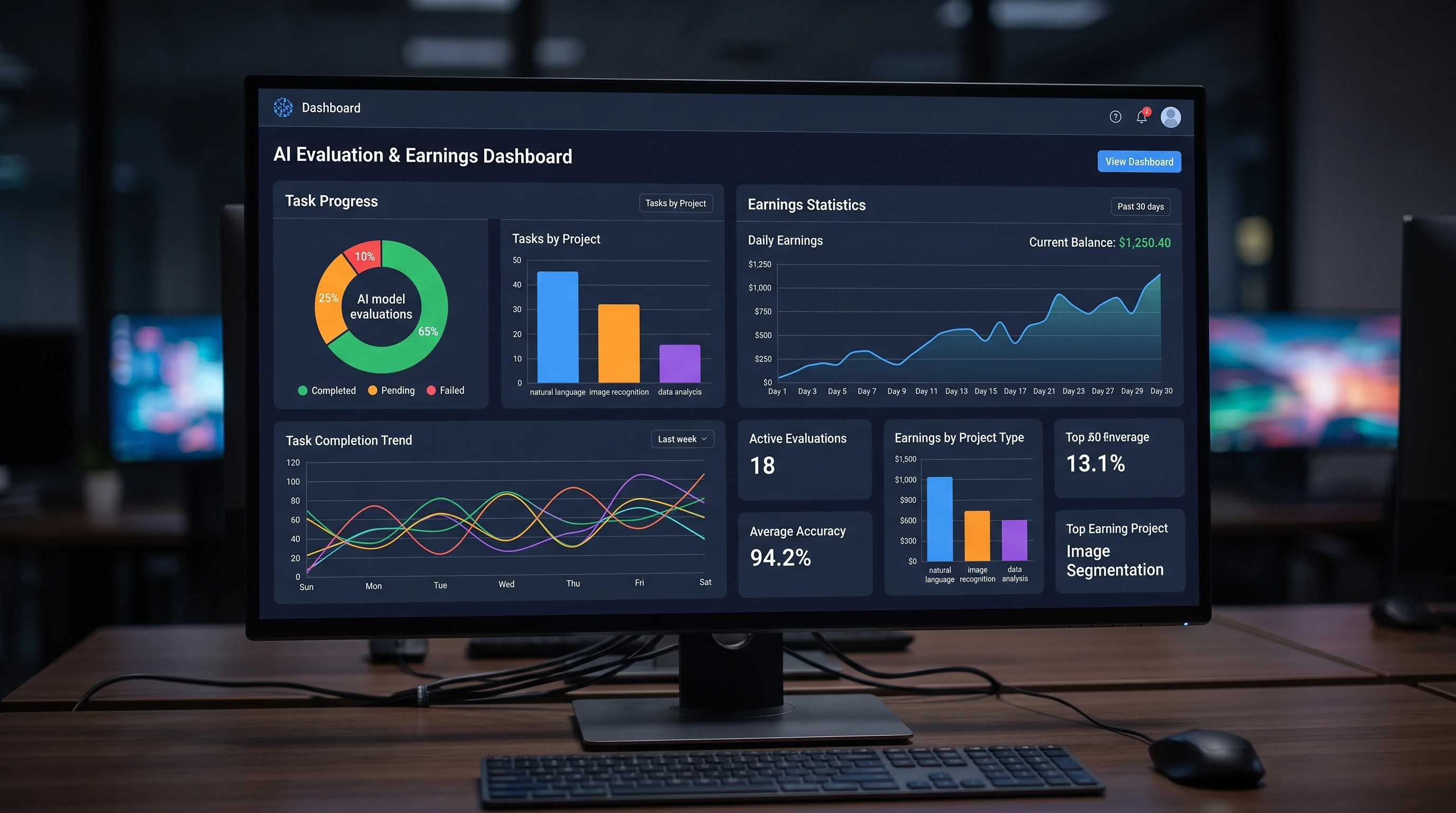
Another plus is the clear payout structure: you see your pending payment for each project reflected in your dashboard.
Unlike some platforms where fees or minimums restrict your cashout options, here the money you earn every week is yours to move as you choose.
However, there’s no buffer period or safety net, so if a project wraps up unexpectedly or your account is put on hold due to a policy check, you could suddenly see your opportunities vanish with no recourse.

How Much Does Outlier AI Actually Pay?
This is where things get interesting.
Outlier AI’s job ads talk about $10 to $60 per hour, which isn’t a lie, but it’s a best-case number for time spent on active projects, not the time you spend waiting, queueing, or training.
Here’s what the pay looks like for real:
- Generalist projects (liberal arts, general science, grading essays): $10 to $25 per hour.
- Specialist projects (pharmacy, law, data science, coding): $25 to $60 per hour.
But here’s the catch.
They only pay for the time you’re actively working on assigned tasks. There’s a lot of unpaid time waiting for fresh tasks to open up.
A 2025 crowdsourced study estimated that about a third of the time logged by Outlier contributors is spent waiting in the queue or refreshing the project board. That means your effective hourly rate will usually be lower than the advertised numbers.
Most folks doing 15 to 20 hours of active work per week during busy project windows earn between $1,800 and $3,600 per month.
But outside of those project windows, work can dry up fast, and you could log in and earn nothing on some days.
Actual pay also depends on task complexity and your accuracy in handling assignments.
If you breeze through reviews quickly without a lot of corrections or resubmissions, your per-hour average can be on the higher end.
On the flip side, if your specialty is in high-demand fields, you may be considered for limited-experience-only projects at the top of the pay scale.
Sometimes new projects launch quickly and fill up with existing contributors, making it important to be proactive about checking the platform.
Outlier AI Pros
- Legit company, backed by Scale AI’s financial muscle (over $1 billion raised), so no worries about getting scammed.
- Project rates are high for real domain experts. If your background fits the right gig, the per-task pay can be awesome.
- Weekly pay, no payout minimums, lots of international support (especially with AirTM and PayPal).
- Having a university degree or relevant work history actually makes a difference in getting in and getting chosen for jobs.
- Super flexible. No schedule, no minimum commitment, and you can work from anywhere with a good connection.
- The experience of seeing behind the curtain on AI development can be next-level cool for professionals curious about machine learning.
Outlier AI Cons
- Task availability is hit or miss. Sometimes there’s a ton of work, and other times the project board is a ghost town.
- Two federal lawsuits have been filed against Scale AI (Outlier’s parent) in 2025, and Inc. Magazine wrote a big piece on nonpayment and deactivations. That has raised some eyebrows in the gig world.
- Support is pretty slow and not the easiest to deal with. Expect 7-day response times and lots of automated replies.
- Account deactivations sometimes happen suddenly, and there’s rarely any real explanation or way to appeal. Workers online report having their accounts closed with just a generic form letter.
- You don’t get paid for watching the queue, training, or waiting. Only the time spent doing actual assigned work counts. That’s a big reason most people don’t hit the high end of advertised pay.
- Everything is project-based. There’s no ongoing job and definitely not a salary. When the project wraps up, you’re back on the hunt for more work.
Who Is Outlier AI Good For?
If you’ve got a university degree in medicine, law, data science, finance, or software development and you want to make decent money for smart remote work, Outlier can be a good side hustle.
The platform is actually made for professionals who want a second stream of income or a fun way to use their expertise without the hassle of a second job.
If you’re fine with unpredictable work, comfortable learning new digital tools quickly, and don’t mind periods of low or no earnings, Outlier fits right into the gig economy model.
For those looking to put industry experience or academic skills to work and not minding bursts of paid activity with dry spells in between, Outlier can offer interesting projects and insight into how generative AI is changing our fields.
If you’re interested in getting a look at cutting-edge AI, it’s a worthwhile experiment—just keep expectations in check regarding income reliability.
Who Should Probably Look Elsewhere?
- If you need steady income to pay the rent or bills, Outlier is a risky bet. The project board can stay empty for days or weeks, and there’s no safety net.
- Complete beginners or people without any specialized knowledge will find it tough to get accepted and even harder to qualify for the best-paying gigs. The competition for generalist spots is steep, and rates for those are much lower.
- Anyone already working full time who can’t afford to check in randomly and grab new tasks on short notice. You could log in and see nothing available, wasting your precious free time.
- People thinking this is the path to financial freedom. At the end of the day, you are totally dependent on Outlier’s task queue. If the company pivots, a project ends, or your account is flagged, your earnings could disappear overnight.
My Honest Verdict
Outlier AI is a real platform backed by a serious company. The work is interesting, pay can be good for people with degrees, and weekly payment is dead reliable when you actually have tasks lined up.
But the big downsides are now impossible to ignore: lawsuits, random deactivation risk, and wild swings in project availability.
If you’re treating this as a side hustle or resume booster, it could work for you. Just don’t build your financial plans around it.
The even bigger problem?
No matter how high the per-hour rate, Outlier gets to decide when you work and how much you earn. If you care about independence, that’s a dealbreaker.
As someone who’s always worked in regulated professional jobs, I realized the platform controls made me just as replaceable as any microtask worker.
That’s why I switched gears and started looking for ways to make income online that didn’t depend on someone else’s queue.
What I Personally Do Instead
I decided to go all in on affiliate marketing.
It’s a model where you build content or reviews once, and if done right, that content keeps earning whenever someone reads it or clicks a link.
No waiting in line, no risk of sudden deactivation, no unseen task board controlling my time.
My pharmacy and analytical skills actually turned into credibility for honest product reviews and health guides online.
The cool part is you can start while holding your full-time job. I learned most of what I know from Aaron Chen and his Invincible Marketer program, which teaches practical steps to build a site that pulls in free search traffic. It’s honest, shows real results, and runs parallel to your job.
If you want to see what a no-queue, no-boss online income looks like, check out Aaron’s free masterclass. He lays out the approach a lot better than I could, and he’s the main reason I stopped stressing over platform gigs. Watch Aaron’s Free Masterclass Here →
FAQs
Is Outlier AI legit?
Yep. Outlier is owned by Scale AI, which is well funded and works with some of the biggest tech companies on the planet. Payments arrive reliably, and the platform is legit. The main issue is not legitimacy, but erratic project availability and the risk of account issues.
How much does it pay?
Outlier advertises $10 to $60 per hour, and those numbers are real for time spent on assigned tasks. But queue time and task droughts shrink effective pay. Most folks in specialist roles average closer to $30 to $40 per hour after unpaid time is factored in.
Can beginners use it?
Not really. Most projects require a degree or realworld expertise. Generalist roles exist, but competition is fierce, pay is lower, and getting in is much harder without specific qualifications.
Is it available in South Africa?
Yes. Outlier hires globally. They pay in USD through PayPal and AirTM, so contributors from South Africa and other countries outside North America can join and get paid without much hassle.
What’s the best alternative?
For folks who want income that doesn’t depend on task boards or random approval, affiliate marketing is worth checking out. I recommend Invincible Marketer. It’s a great intro to building your own online business without platform risk.