
Amazon FBA pops up almost everywhere you look these days when searching for ways to make money online.
It makes sense; fulfillment by Amazon has become one of the most talked-about ways to run an e-commerce business from home.
But behind all the hype, the world of Amazon FBA coaching programs can be a pretty wild mix, ranging from genuinely helpful courses to some not-so-great operators. I’m a pretty analytical person, and I’m not connected to Seller Sync Academy at all. This review is built using real user feedback, research, and publicly available information.
Jeffrey Fung, the “FBA Jeffrey” you might have seen on TikTok or Instagram, built up a real Amazon store and now runs Seller Sync Academy.
The big promises always sound slick, but there’s a lot you won’t hear until you’re talking to a “strategist” on one of their sales calls.
If you’re wondering if Seller Sync Academy is legit, if the price is worth it, or if any FBA Jeffrey review is trustworthy, I’ve put together everything people want to know before they even consider booking a call.

What Is Seller Sync Academy?
Seller Sync Academy is an Amazon FBA training and mentorship program led by Jeffrey Fung (online handle: FBA Jeffrey).
The main selling point is helping new and intermediate sellers skip the usual beginner pitfalls and get profitable using Amazon’s fulfillment service.
You’ll see Jeffrey Fung all over social media dropping success stories, ads, and testimonials from his students. The program itself says it covers picking a product to sell, setting up your Amazon account, managing logistics, creating listings, and eventually scaling to a fully developed private label brand.
The core offer is a structured curriculum: video content, community forums or chat groups, and, for those who pay for the top packages, weekly coaching calls.
From what’s publicly available, it’s focused on guiding people through the early phase—finding a product, launching, running ads, and getting sales in the US or Canada. Many students report that the academy provides a combination of theory and actionable advice, supplemented with checklists and real-world case studies that demystify the product research and launch process.
This hands-on approach matches with the key concerns of most beginners: picking winning products, optimizing listings, understanding reviews and ratings, and handling customer communications.
The academy’s interactive segments also give members a chance to troubleshoot their problems directly with experienced coaches, a factor some students say is vital in keeping them motivated and on track as they move from sourcing inventory to that first sale.

Who Is Jeffrey Fung?
One thing I appreciate: Jeffrey Fung is a real person, and his Amazon FBA stores are publicly visible.
He shows screenshots, does live Zoom calls, and isn’t hiding behind a fake identity. This is different from some anonymous “gurus” or people using fake student images.
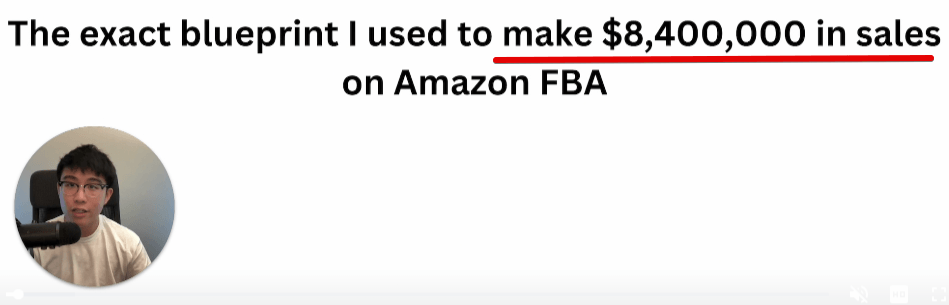
Jeffrey started his Amazon adventure in Vancouver, Canada, and shares decent content on social media with real FBA advice mixed in with his promotional stuff.
So yes, this is someone legitimate on the surface and actually walking the walk as an Amazon seller (at least with a few real case studies to back him up).
Jeffrey’s background comes from building his own stores from scratch, facing common roadblocks with sourcing, shipping, and listing optimization.
His transparency in sharing both wins and flops earns him kudos in the FBA community. There’s an educational value in seeing him demo live store data, launch strategies, and adjustments to Amazon’s ever-changing policies.
Whether or not you agree with his approach, there’s no argument about him actively running a business.
This openness is rare, and it helps potential students verify that Jeffrey isn’t just repeating tired advice but actually tracking Amazon trends and regulations as they happen.
How Does Seller Sync Academy Work?
Seller Sync Academy splits its content and services into two main tracks, plus a pretty intense sales process that has left more than a few people surprised on the back end.
The Entry Level Training
There’s a lower-priced video training package that Jeffrey promotes on social media, usually through a webinar funnel or a direct sales page.
This tends to cover the basics of Amazon FBA, like market research, opening your account, finding suppliers, and how Amazon’s fulfillment process works.
If you’re just browsing YouTube or watching TikTok, this is probably the offer you’ll see first. It’s not super extensive and, in most cases, acts more as a primer to get you ready for a sales conversation with someone on his team for the higher-ticket offer.
These videos generally introduce you to common Amazon platforms, how to compare product demand, and the basics of setting up your first product listings. Some students mention that it’s possible to see minor but valuable progress, like finalizing a product shortlist, before ever speaking to a strategist.
The High Ticket Mentorship
This is where Seller Sync Academy really pushes things.
After you browse the starter course or join Jeffrey’s free training, you’ll be invited to a “strategy call.”
On the call, you’re encouraged to join the high-level mentorship. This includes direct coaching (through group or one-on-one calls), priority response from support, faster feedback on your product picks, and day-to-day guidance as you get your first Amazon listing live and optimized.
Mentorship is where the biggest promises are made.
There’s pressure to “not miss out” since every pitch is framed like enrollment spots are limited or some students are about to quit and open up space.
The claims are that you’ll get the most detailed help and scale much faster—but with the caveat that you should already have a chunk of capital ready to roll.
Mentorship students also receive ongoing updates as Amazon changes its algorithms or requirements.
Some students note that these sessions give a motivational boost and allow them to set realistic expectations for their first year on Amazon, learning that setbacks are common but can be navigated with patient strategy and expert feedback—weighing the difference between short-term hype and steady, long-term growth.
The Sales Process
This is the part you rarely hear about up front. Seller Sync Academy, like a lot of Amazon FBA coaching offers, uses an application funnel.
After submitting your details, you get scheduled for a 45- to 60-minute sales call. From real buyer reports and Reddit threads, these calls are high-pressure and heavily scripted.
It’s not just answering questions; the rep walks you through your Amazon goals and then tries to close you on the mentorship package.
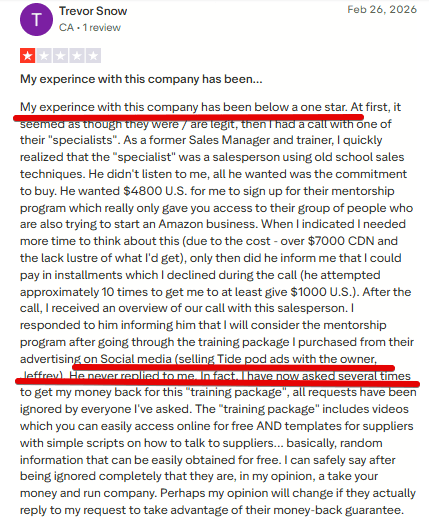
Some buyers have reported as many as ten attempts to get their credit card info, with pricing only revealed after a long, drawn out pitch.
If you’re not ready to commit right there, expect multiple follow-up emails, DMs, and phone calls.
For those feeling overwhelmed by aggressive selling, this process can be a dealbreaker even before considering the quality of training on offer.
How Much Does Seller Sync Academy Cost?
Here’s something you won’t usually get until you’re deep into the sales process: Seller Sync Academy’s “mentorship” costs $4,800 USD.
For Canadians, that pushes past $7,000 by the time taxes and currency conversion hit. The entry-level course is priced lower, but that’s not what most people end up buying.
This price doesn’t cover your actual FBA business costs.
Expect to pay Amazon’s professional seller fee (about $39.99/month), buy your first batch of inventory (usually $1,500 or more), pay for shipping/inspection from your supplier (another few hundred at minimum), and set aside money for Amazon PPC ads.
The realistic starting capital to properly launch (including mentorship and business expenses) is usually between $6,000 and $10,000, sometimes even more if you want to be competitive and launch in multiple marketplaces.
Keep in mind, Amazon is a platform that rewards those who can move fast and reinvest in new inventory and ads—so recurring cashflow is necessary, especially in the first six months.
Some students have shared that in addition to the initial outlay, hidden costs (like additional trainings, required software, or paid listing enhancements) can run several hundred dollars more per month as the business grows.
For many, the ongoing cash needs quickly outpace entry-level expectations.
Seller Sync Academy Pros
- Real, verified creator: Jeffrey Fung is out in public and shares real business results. You can look up some of his Amazon brands for yourself.
- Active community network: The program includes a member-only group (on Discord or Facebook, depending on the cohort) where students can ask questions, troubleshoot issues, and compare notes in real time. It’s handy and can be a source of motivation and help if you’re stuck on something technical.
- Structured learning path: The step-by-step modules make it easy for absolute beginners to cover the basics and advanced tactics in logical order. This kind of handholding is rare in free FBA content.
- Direct feedback: Students report that the coaching team provides actionable advice within 24–48 hours, boosting confidence during the stressful product launch phase. This is more responsive than many other FBA programs available.
Seller Sync Academy Cons
- Price hidden until sales call: The mentorship fee of $4,800 USD is rarely listed on the site or in the ads; most buyers only find out once they’re halfway through a high-pressure call.
- Aggressive sales tactics: Reports from multiple buyers (and public threads on Reddit/YouTube) mention that strategists use a “hard close” approach, pushing for an on-the-spot payment and following up repeatedly if you say no.
- Total investment way higher than advertised: The course is just one part. With Amazon fees, inventory, and ad costs, the cash you’ll need to actually launch puts the real entry point at $6,000–$10,000+ even if you’re bootstrapping.
- Relies on external spending: Success stories often come from those able to reinvest significantly. The program sometimes underplays just how ongoing the expenses are, leaving some newbies frustrated with the real pace of progress.
Who Is Seller Sync Academy Good For?
If you already have a chunk of capital available (think $6,000 minimum and ideally closer to $10,000 or more), and you want detailed step-by-step guidance through Amazon FBA’s complexities, this could be worth exploring.
The community can help, and the content is made for real beginners—people who learn best by being handheld from step one to the end.
It’s also a possible fit for those who thrive on community accountability, structured deadlines, and regular progress check-ins.
For aspiring Amazon sellers who value direct access to coaches and don’t mind high initial costs, Seller Sync Academy can provide the framework needed to get operational, especially if you prefer learning by doing rather than hours of passive theory.
Who Should Look Elsewhere?
If you’re working with a tighter budget, say just a couple thousand dollars or less, or you want to avoid getting upsold on a high-ticket program during a phone call, this model isn’t really a great fit.
The fact that you don’t get the true price upfront creates a pretty big trust issue. And if you’re based in a country that isn’t fully supported by Amazon, or you don’t have the ability to drop several grand just to get started, it’s probably time to look for a different online business.
It’s worth keeping in mind: Amazon FBA is legit and has created real millionaires, but entry costs and the insane competition can be a dealbreaker.
If your risk tolerance is low, the high-pressure sales process here can be pretty off-putting.
Some public forum discussions also mention a lack of refund policy transparency and ongoing upsells that take newcomers by surprise.
If flexible learning, lower pressures, or minimal risk are must-haves, you’re better off looking elsewhere.

My Honest Verdict
Jeffrey Fung is definitely a real Amazon seller with some solid wins under his belt.
I can’t call Seller Sync Academy a scam in the classic sense; it’s not fake, and there’s real material inside. But the program’s sales tactics, hidden pricing, and high barrier to entry all raise some really important questions.
If you’re working full-time, don’t have cash to risk, or want hands-off guidance without the big-ticket price tag, Seller Sync Academy’s mentorship model probably isn’t where your time and money is best spent.
That’s why, after spending time researching and talking to people who’ve gone through a bunch of Amazon FBA courses (including this one), I’ve ended up pointing new online business seekers toward something much more beginner-friendly and realistic: affiliate marketing.
The guy I recommend is Aaron Chen; his approach doesn’t need a warehouse, a bulk inventory order, or a course payment bigger than your rent.
Affiliate marketing lets you build income streams with far less capital and nearly zero logistics headaches, making it a logical launchpad for beginners who want real online profits before risking larger investments in platforms like Amazon.
What I Personally Recommend Instead
If you’re interested in building real online income from scratch (without putting thousands on your credit card for a first round of inventory), it’s worth checking out affiliate marketing instead of FBA.
That’s what I’ve chosen, and Aaron Chen’s Invincible Marketer program is where I learned most of my skills.
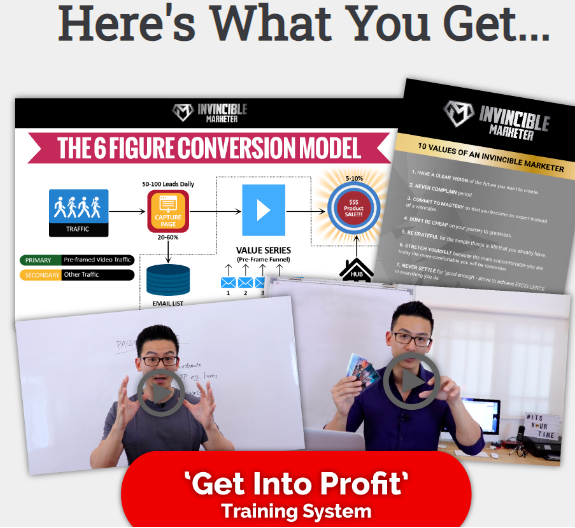
Aaron’s free masterclass walks through how to actually generate income using affiliate marketing, in a way that’s realistic and friendly for people who don’t want—or can’t afford—big startup costs.
His teaching style is practical and doesn’t require any technical experience. Above all, I haven’t seen any aggressive selling or secret fees. If you’re still on the fence, his free training is a low-pressure way to see if you like his approach.
Watch Aaron’s Free Masterclass Here →
FAQs
Is Seller Sync Academy legit?
Seller Sync Academy is operated by a real FBA seller (Jeffrey Fung), and multiple students have completed the program. But hidden pricing and aggressive sales tactics should make any buyer pause and think before joining.
How much does Seller Sync Academy cost?
The flagship mentorship package is $4,800 USD (over $7,000 for Canadians). This doesn’t include Amazon seller fees, inventory, shipping, or ads, which push the true launch cost to $6,000–$10,000+.
Is Amazon FBA good for beginners?
It’s possible to succeed as a beginner, but you’ll need a lot of capital and the risk profile isn’t low. Most first-timers spend between $6,000 and $10,000 before seeing consistent profit. That’s super important to know before jumping in and going all in on coaching or big inventory buys.
Is Seller Sync Academy available in South Africa?
Amazon does support seller registration in some countries outside the US/Canada/UK, but there are extra hoops and shipping issues for South Africa specifically. Anyone outside the main Amazon markets should research seller restrictions and shipping realities before joining Seller Sync Academy or any FBA program.
What’s a solid alternative business model?
Affiliate marketing, like Aaron Chen’s Invincible Marketer program, requires no inventory investment, no paid ads to get started, and no aggressive sales calls. All the training is step-by-step, and the startup risk is dramatically lower.
Final Thoughts
Seller Sync Academy really does have a real founder and some helpful training, and Amazon FBA is a legitimate way to build a business.
But with secretive pricing and a hard sell, it can catch a lot of people off guard, especially if you’re working with limited cash or just testing out online business for the first time.
If you have the funds and like the FBA model, do your homework and be ready for the full investment before hopping on a sales call.
If you need a lower-risk, more transparent option, try Aaron’s free training instead. Have you tried Amazon FBA or worked with a coaching program like Seller Sync Academy?
Drop a comment below with your experience. Your honest feedback could help others figure out if this kind of program fits their goals or if starting with affiliate marketing is a better way forward.