
Grocery prices keep climbing, but putting good meals on the table shouldn’t have to break the bank. I’ve definitely felt the pinch in my own grocery budget, so I know just how frustrating it can be to see your favorite ingredients climb in price.
There are ways to get control over spending without sacrificing nutrition or taste. I’m sharing some really practical tips that not only help cut weekly costs but also make meal planning easier and less stressful.

Why Reducing Grocery Spending Matters
When you spend less on groceries, that’s money you can put toward savings, paying off debt, or even fun stuff you actually want. Cutting grocery costs doesn’t mean skipping on healthy meals; it means shopping a little smarter and making your budget work for you instead of the other way around.
Even small changes can add up, and those savings become pretty noticeable over time.
Food is one of the main expenses for most households, so even a 10–20% reduction can free up a surprising amount of cash each month.
This isn’t just about trimming expenses; it’s about creating financial wiggle room and making everyday life less stressful. Plus, saving a bit here allows you to redirect funds toward other personal goals, whether that’s building an emergency fund, planning a weekend getaway, or simply easing the pressure of monthly bills.
Recommended Reading: What Are The 9 Best Ways To Reduce Grocery Spending Without Sacrificing Meals
1. Plan Meals Weekly for Smart Shopping
Weekly meal planning keeps things simple and organized. I like to sit down before shopping and decide what I’ll make for breakfast, lunch, and dinner for the week.
This means I only buy what I need, and those extra, “just-in-case” items don’t sneak into the cart. If you plan three or four main dishes and rotate them, you won’t get bored but you’ll still save time and money. Plus, this approach helps avoid the drive-thru when you realize you forgot an ingredient midweek.
Another tip: look for recipes with overlapping ingredients so you can use up fresh produce without waste.
For example, if you buy a bundle of cilantro, plan more than one meal that uses it. Leftovers from one dinner might even serve as lunch the next day. When you create a solid meal plan, you also reduce the risk of food going bad before you can use it, which is another way to stretch your dollars further.
2. Make a Grocery List and Stick to It
Shopping with a list is probably the easiest way to avoid impulse spending at the store. I keep a running list on my phone and check it before leaving the house.
It helps keep me focused and reduces the urge to grab extra snacks or new products. The trick is to only buy what’s on the list; if it didn’t make the cut during meal planning, I skip it. It keeps grocery trips much quicker and way less expensive.
There are even simple apps designed just for grocery lists, which I find handy when keeping track of what I really need each week. Writing a physical list works too — whatever gets the job done.
3. Check Your Pantry, Fridge, and Freezer Before Shopping
It’s easy to forget what’s hiding at the back of the fridge or packed behind other boxes in the pantry. Taking inventory before shopping helps avoid buying duplicates and tossing expired food months later.
I do a quick sweep of what’s already in my kitchen and try to work any overlooked items into my weekly meal plan. Sometimes, I find enough tucked-away staples that I barely need to shop at all. This is a great way to reduce waste and save some extra cash every week.
Organizing your pantry and freezer once every month can help you spot what you’ve got in stock, so you don’t let food go unused. Meal planning around pantry staples is also a good way to save time, since you start the week with some ingredients already on hand.
4. Compare Prices & Unit Costs
Most stores show the unit price (like price per kilogram or ounce) on the shelf tag. I always check these instead of just looking at the sticker price. Sometimes, a bigger package isn’t actually a better deal, but other times you’ll find that switching brands or sizes offers better value.
It’s also a good idea to compare sales at different stores or check out prices online before heading out. Even a few cents per item can add up in a big way over the course of a year.
Pay attention to promo deals too, but only purchase items you know you’ll use up. Comparing prices across stores—or even between online and brick-and-mortar options—can open up new savings opportunities you didn’t realize were there.
5. Choose Store Brands Over Name Brands
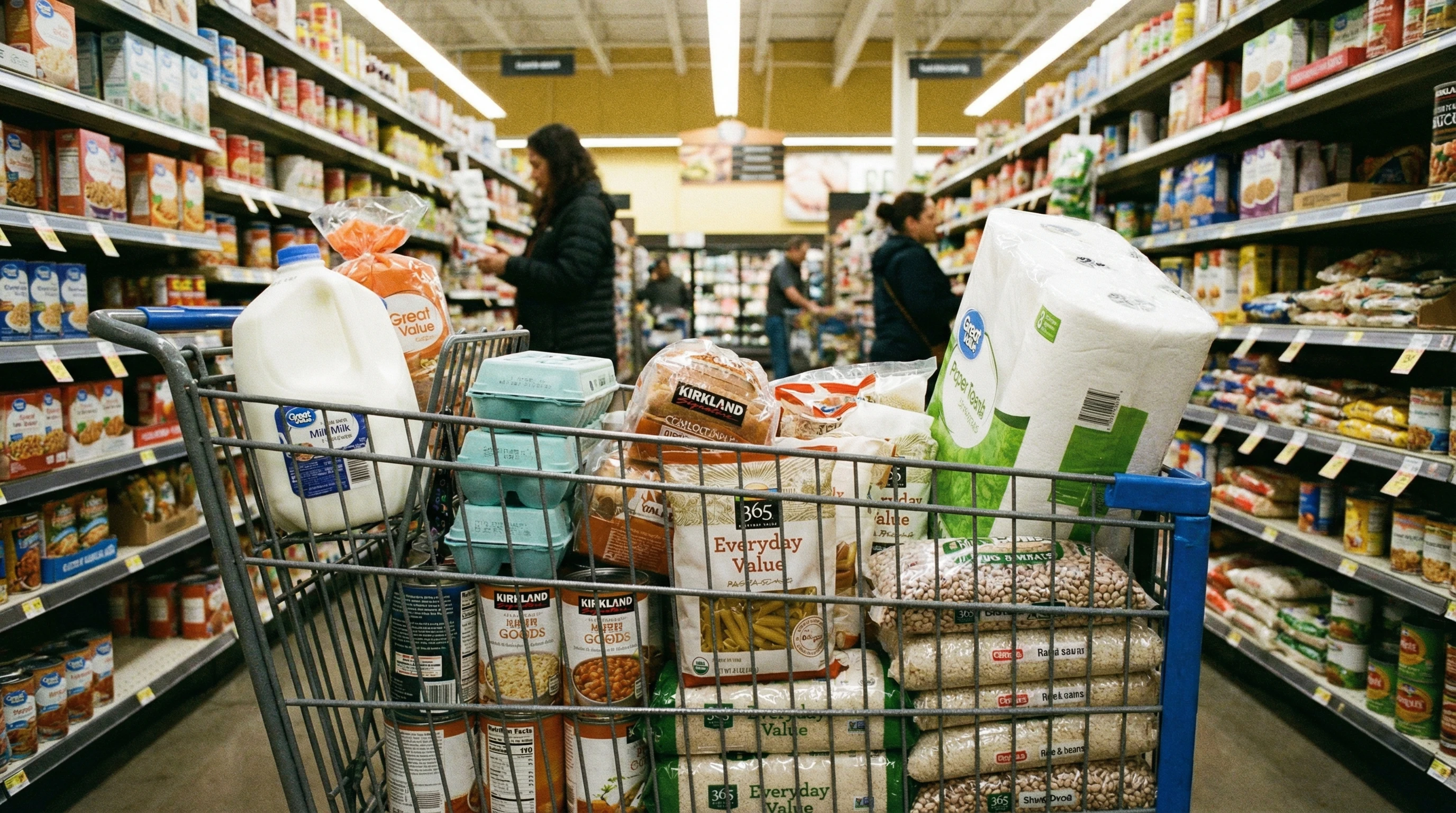
Store brands are usually just as tasty and nutritious as the big-name versions, but often much cheaper.
I make it a habit to try the store-brand option for staples like flour, rice, canned tomatoes, or baking supplies. The quality is usually similar, and if I ever don’t like one, I know not to buy it again. Even switching out just a handful of products each trip can save a lot over a month.
Many stores have expanded their own-label lines, even for items like frozen veggies, snacks, or specialty sauces, so it’s worth checking out whenever you shop. Sometimes, these options are made in the same facilities as the pricier brands, but with simpler packaging. The savings are real and can really stack up.
6. Buy in Bulk, But Do It Wisely
Bulk shopping can mean bigger upfront costs, but the price per serving usually drops. I stick to bulk for shelf-stable foods I know I’ll use, like pasta, rice, dried beans, and oatmeal.
It doesn’t make sense to buy huge bags of perishables unless you can split them up and freeze or share. Watch out for deals on basics and be honest about what your family will actually finish before it goes bad.
Sometimes, teaming up with a friend or neighbor for large packs is a smart way to save without wasting food. When you find a good deal, break up larger quantities into smaller portions for use over time. Just remember, the key to buying in bulk is making sure it won’t turn into waste.
7. Use Coupons, Loyalty Programs, and Cashback Apps
Supermarkets are always running coupon offers, loyalty clubs, and cashback programs through their own apps or partner services like Ibotta, Rakuten, or Checkout 51.
I suggest signing up for your local grocer’s rewards program and checking for digital coupons before you shop. This stuff can add up — even if you’re only saving a few dollars on each trip. For people who like stacking deals, using discounted gift cards is a good bonus move.
Consider looking for printable or digital manufacturer’s coupons on brand websites too. If you shop online, browser extensions and deal sites may help you find extra codes to enter at checkout.
8. Shop Seasonal and Local
Buying seasonal produce is not only fresher and tastier, but it usually costs much less. Shopping at local markets or farmers’ stalls can help you grab deals on fruits, veggies, or eggs when they’re in peak supply.
Planning meals around what’s in season is a smart way to keep nutritional variety without the high price tag that comes with out-of-season groceries shipped long distances.
Some stores even mark down produce or bakery items late in the day, so asking staff about discount times might score you extra savings. Shopping local supports area growers, too, which keeps money in your community. Bonus benefit: you might stumble upon something new to try!
9. Limit Processed and Prepackaged Foods
Precut or precooked meals, snack packs, and individual serving sizes are convenient but almost always cost more per portion.
When I prep snacks and meals at home, I pay far less than if I bought everything readytogo. It doesn’t take much extra time to chop veggies, make a big batch of rice, or portion out snacks for the week. If your schedule allows, doing a bit of extra prep pays off both on your grocery bill and your meal quality.
Cooking from scratch can feel intimidating, but start with one or two additional homemade items each week. Even something as simple as slicing cheese instead of buying cheese sticks can make a difference on your bill.
Quick Steps to Get Started Saving
Feeling motivated to start saving? Here’s what worked for me in the beginning:
- Pick 3 tips from this list to try on your next shopping trip.
- Set a weekly grocery spending goal; something realistic, even if it’s just $5 less than usual.
- Use a simple spreadsheet or notes app to log what you’re spending and where you find the best values.
Tracking just a few trips will probably reveal some easy habits you can tweak for even bigger savings. Don’t feel like you have to master everything at once — the biggest wins often come from making small, steady improvements over time. If you mess up one week, get back to your plan the next and keep moving forward.
Frequently Asked Questions About Grocery Budgeting
How do I know if my grocery budget is realistic?
Take a look at your last month’s receipts. Factor in how many people you’re feeding, how often you eat out, and which items are nonnegotiable (like allergyfriendly foods). If you’re spending more than you can comfortably afford, pick one or two categories to cut back on and monitor for a few weeks. Stay patient as you adjust to new habits.
Are meal subscription boxes good for saving money?
Meal kits can make life easier, but they’re typically pricier per meal than planning and shopping for your own groceries. If you’re in a super busy season, they might be worth it for convenience, but for pure savings, shopping and prepping yourself gives more bang for your buck. Try your own meal prep for a week or two and see the difference on your budget.
What are some easy pantry staples to always have on hand?
Items like pasta, canned beans, rice, oats, canned tomatoes, and frozen veggies cover tons of quick and filling dishes. Building meals around what you already have saves time and cuts down on expensive lastminute takeout. A stock of basics means you can always whip up a meal, even if your fridge is looking bare.
How Small Switches Add Up To Big Savings
Cutting grocery spending is about consistent, small choices. You don’t have to overhaul everything at once. Swapping out a few habits, planning ahead, and being a little more mindful with each shopping trip really does add up over the months. It’s all about making your budget work for you, without giving up tasty or healthy meals.
If your goal goes beyond saving and you want to boost your earning potential, affiliate marketing is worth a look. The right beginnerfriendly affiliate marketing training program offers stepbystep guidance to get started and grow real online income, all on your schedule and with good community support. Great option if you dream of more flexible income to fund your grocery budget, savings, or future plans — without any complicated systems or highpressure sales.
➡️ Looking to earn more while living smart? Check out this affiliate marketing training and start building your income today!