
I remember earning a steady paycheck and still feeling like my money was vaporizing every month. Every time I checked my bank account, something always felt off.
A paycheck would land, and within days, it was almost gone. What frustrated me most was that I really thought I was budgeting! I’d set limits for groceries or nights out, but somehow there was always random spending I couldn’t pin down. If you know that “Where did it all go?” feeling, you’re definitely not alone.
What I finally figured out: it wasn’t about how much I earned or how strict I tried to be. The problem was that I didn’t have a clear plan for every dollar I brought in.
Any unassigned money always found a sneaky way to disappear. That’s when I stumbled onto zero based budgeting. It’s not a restrictive system, it’s actually about getting full clarity.
Using it felt like putting glasses on for my finances, so I could finally see where everything was headed. In this guide, I’ll share how I built my zero-based budget, how I track it, and the little tricks that help me (and now others) feel totally in control.
What Is a Zero-Based Budget?
At its core, a zero-based budget is simple.
Every time you get paid, you assign each dollar to a specific job until you hit zero. Your income, minus every single outgoing amount (spending, saving, debt, investment), equals exactly zero. This doesn’t mean you spend all your money. It just means you know where all of it is going.
Picture your monthly income as a bunch of coins on a table. Instead of leaving some coins unaccounted for, you put every single one into a jar with a label: bills, groceries, emergency fund, debt payments, fun money. The two big things to remember:
- Zero at the end means everyone got a job.
- You don’t have to spend every cent, money going to savings, debt payoff, or investing gets an assignment too.
Getting intentional with your money like this sheds light on everything. Suddenly, you notice spending leaks and get honest about your habits. It’s not about cutting out your favorite things; it’s about being fully aware of what’s happening, and that awareness brings real peace.
Recommended Reading: How To Build A Monthly Budget Using The 50/30/20 Rules
Why Zero Based Budgeting Works So Well
This system is built for people who want structure.
It’s especially handy if money seems to slip through the cracks.
Here’s why zero based budgeting makes such a difference in real life:
- Intentional Decisions: Every spending decision gets thought through. If you want to buy new shoes, that money needs to come from somewhere. No more “oh well, I guess I spent it” moments.
- Silent Overspending Gets Exposed: All those streaming subscriptions, fast food runs, or mini splurges become obvious, and you can decide if they’re worth it.
- Beginner Friendly: You don’t need years of financial know how, following the system guides you step by step.
- Great for Irregular Income: If you freelance, hustle, or get bonuses, this system helps you handle the ups and downs without panicking.
- Perfect for Building Strong Habits: If you’re trying to fix messy money routines, zero based budgeting helps you see progress each month.
I’ve found this system works just as well for someone patching income together (think multiple side gigs) as it does for someone with a set salary. It really creates a structure that adapts to almost any financial situation.

Step by Step: How to Create a Zero Based Budget
Getting set up doesn’t need to be intimidating. Here’s how I break it down:
Step 1: Calculate Your Net Monthly Income
Start with your actual take home pay.
That means what hits your bank account after taxes, medical aid, and retirement payments. Anything that never touches your hands isn’t part of your budgeting picture. Add in side income or freelance money that you’re confident will come in each month. If a side gig is inconsistent, it’s usually better to leave out the variable part for now (or budget it only when you get it).
Getting this number right is pretty important. Overestimating or hoping for extra income to come through is the fastest way to sabotage your plan. I use average income from the last three months when things are bumpy.
Step 2: List Your Fixed Expenses First
- Rent or mortgage
- Utilities
- Insurance
- Loans
- Subscriptions (Netflix, Spotify, phone, etc.)
I always look at my bank and credit card statements for at least two months to catch sneaky autorewals or subscriptions. I once found out I was paying for an online newspaper I didn’t even read, R300 a month saved instantly!
Step 3: List Your Variable Expenses
- Groceries
- Fuel/transport
- Eating out
- Personal care (clothes, haircuts, etc.)
- Entertainment and fun spending
Estimating these can be tricky at first.
My favorite move is to grab the last month’s bank statement and highlight anything not already assigned above. Add up the totals for each type, don’t just guess, or you’ll be off the mark fast. Some people like to use cash for these, but whatever tool helps you notice patterns is worth trying.
Step 4: Assign Every Dollar a Job
This is the heart of the system.
Take your total income and start plugging it into categories until you reach zero. Don’t forget the “less fun” jars like:
- Savings for future goals
- Emergency fund (even if it’s R50 at a time)
- Debt repayment (add a little extra if you can!)
- Charity or giving, if that’s your vibe
Whatever’s left after all the bills, split across your spending and savings categories. Sometimes, I like to give myself a tiny reward jar, even in months when things are tight. Even $100 for “treat yourself” can prevent bigger blowouts.
When your categories add up to zero, you’re done! You don’t have to be perfect straight away. Budgets always get adjusted after real life hits, and that’s totally normal.
How to Track a Zero Based Budget
Creating a budget on paper (or screen) is one thing.
Actually tracking where your money goes?
That’s the special ingredient for seeing results. Tracking is where you build financial awareness, not where you punish yourself for every slip up.
- Some people check in every day. I’m a fan of a weekly review (usually Sunday nights). This works better for me because things can get busy during the week, and trends are easier to spot when I’m not stressing over every coffee run.
- If you overspend in a category, pull money from another before declaring the month a disaster. If you spend $400 extra on petrol, cover it by pulling from eating out, not from your savings goal.
There are loads of ways to track:
- Spreadsheet: I personally use Google Sheets; it’s free and you can tweak it for your style.
- Budgeting Apps: Tools like YNAB (You Need A Budget) or 22seven are popular because they automate tracking and can connect to your accounts (but you can do this for free, too!).
- Manual Tracking: Some love grabbing a notebook and writing things out. If you’re wired for pen and paper, this totally works.
The real magic comes from seeing small adjustments pay off. Even if you mess up a few times, tracking keeps you honest and builds confidence over time.
Real Example of a Zero Based Budget
| Income | Amount (R) |
|---|---|
| Take home salary | 10,000 |
| Side hustle | 2,000 |
| Total Income | 12,000 |
| Category | Amount (R) |
|---|---|
| Rent | 5,000 |
| Utilities | 800 |
| Groceries | 1,800 |
| Transport/fuel | 1,000 |
| Insurance | 400 |
| Cell phone & data | 250 |
| Debt repayment | 800 |
| Personal fun spending | 800 |
| Eating out/Takeaways | 400 |
| Emergency fund | 500 |
| Clothing & hair | 250 |
| Savings for holiday | 300 |
| Gift/Giving | 200 |
| Total Expenses | 12,000 |
Everything gets a job until you hit zero.
If your income changes or an expense is bigger than planned (say your car needs repairs), you can move money around and rebalance as needed. Each month looks a little different, and that’s exactly how it should work.

Tools That Make Zero-Based Budgeting Easier
- Google Sheets/Excel: Classic and totally customizable. You can find tons of free templates online, or you can make your own super basic one in minutes. I’ve tried fancy templates, but my favorite is a simple monthly income vs. category layout.
- Budgeting Apps: Apps like YNAB, 22seven, or Goodbudget work well if you like seeing graphs or syncing transactions with your bank automatically. These often have reminders and push notifications that help new budgeters stay on track.
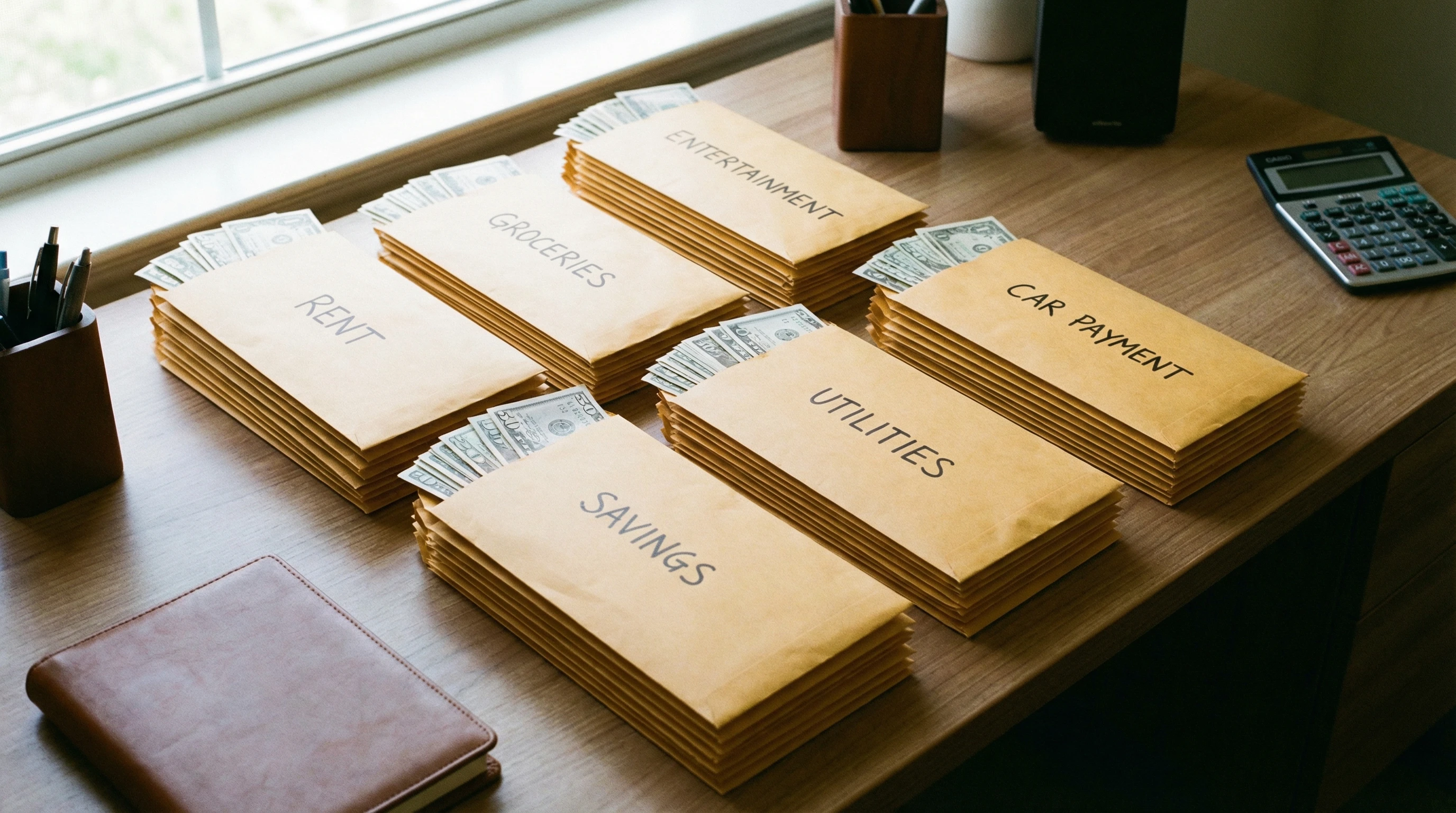
- Envelope Method: This oldschool system is still effective. Just assign cash for each spending category in its own envelope. If you want to keep things digital, some banking apps let you create jars for digital envelopes.
Try a few methods and see which one fits your personality. Consistency is a lot more important than tools. Pick something you enjoy using and that doesn’t feel like a chore.
Common Mistakes to Avoid
- Forgetting Irregular Expenses: Birthdays, annual renewals, school fees, car maintenance. These sneak up fast! I keep a running list and try to save a small chunk every month for these, so they don’t knock out my budget unexpectedly.
- Being Too Strict: Trying to make a perfect budget that never changes is super unrealistic. Life is always moving. Flexibility is non negotiable.
- Not Adjusting Mid Month: See that you’re overspending? Don’t wait until it’s too late. Move things around right away. Accountability is an everyday project.
- Giving Up After a Bad Month: Everyone blows their budget sometimes. Instead of giving up, look at what went wrong and try something a little different next month.
How to Adjust Your Budget When Life Changes
Budgets aren’t static.
They’re living, breathing plans.
Comedian Sarah Cooper once joked that her budget is like a suggestion box for her money, and that’s not far off! When things change, so should your categories:
- Income Drops or Rises: Start by updating your categories with the new total, and trim extras if needed. If you pick up a bonus or temporary gig, decide where to send those rands before you get paid.
- Big Uneven Expenses: Car repairs, vet visits, or family emergencies happen. Set up a “buffer” category if you can, or reassign money from other jars.
- New Financial Goals: Starting investments or saving for a new laptop? Add those categories when things stabilize, but don’t be afraid to start tiny.
It’s not about being flawless, it’s more about making a habit out of regular check ins and tweaks.
Who Zero Based Budgeting Is Best For
- People Learning Money Discipline: If you’re tired of guessing and hoping for the best every month, this structure offers clarity.
- Anyone Saving Hard or Paying Off Debt: Tracking every rand helps you find funds for those goals.
- Folks Building New Income Streams: Freelancers, sidehustlers, or business builders get massive clarity on what’s working and what isn’t.
- Anyone Rebuilding Financial Habits: Whether after a life change, a setback, or just wanting to do better, seeing your whole picture brings relief and confidence.
Frequently Asked Questions
Here are some common questions people ask when starting out with a zero based budget:
Question: Do I have to track every cent?
Answer: The more detail you track, the more you’ll learn about yourself. Missing the odd $10 isn’t a disaster, but try to develop the habit of recording your spending, so you can spot trends fast.
Question: How long does it take for a zero based budget to feel normal?
Answer: Most people take at least two to three months to feel comfortable. It gets easier and quicker each month you do it.
Question: What if my expenses change every month?
Answer: That’s normal. Simply redo your budget at the start of each month (or when money lands in your account). Expect tweaks, not perfection.
Finding Real Control With a Zero Based Budget
Zero based budgeting isn’t about penny pinching or cutting all your fun.
It’s about putting yourself in the driver’s seat. Suddenly, your money isn’t a stressful mystery, it’s a tool you use with confidence. Once you know exactly where your cash is going, bigger moves (like saving for holidays or attacking debt) get a whole lot easier. Building this system into my own life helped me move from feeling panicked about bills to excited about the future, and it gave me a lot of peace along the way.
Money drama fades fast once you get intentional and keep adjusting as life happens. If you’re looking for a straightforward way to feel good about your bank balance, zero based budgeting is really worth a shot.
If you’re reading this, chances are you’re not just trying to budget. You’re trying to figure things out financially.
I didn’t get this right overnight. I’ve made mistakes, tried things that didn’t work, adjusted, learned, and slowly built clarity. Both with money and income.
That’s why I started sharing my adventure by email.
Not theory.
Not hype.
Just real lessons from what I’m learning. The wins, the failures, and the things I wish I knew earlier.
If you’d like to follow along and learn as I learn, I invite you to join my email list. You’ll get honest insights on budgeting, building income online, and avoiding the common traps. No pressure, recruiting, or MLM nonsense.
👉 Join me by email and follow the adventure, one lesson at a time.