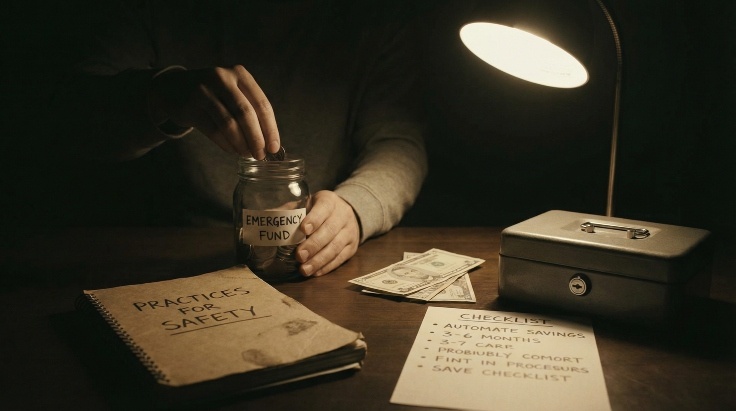
Surprise expenses have a way of showing up at the worst possible time. No matter how tight my budget is or how well I plan, life always manages to throw something unexpected my way.
For example, a surprise medical bill, a major car repair, or a sudden change at work can mess up months (or even years) of savings in no time at all.
An emergency fund really feels like a bit of a lifesaver in these situations. It isn’t some fancy bonus; it’s a simple buffer that shields me from going into debt or scrambling every time something goes wrong. I never used to see the point, but after handling some unexpected hits, I can honestly say it’s one of the best money moves I’ve made for my own peace of mind.
This guide covers everything I’ve figured out about emergency funds: how much to save, where to stash it, how to start building it (even when money’s tight), and what to actually do when those emergencies strike. Time to roll into the details of making your emergency fund work for you.
What Is an Emergency Fund?
An emergency fund is money I set aside specifically for expenses I can’t predict or avoid.
That means things like losing my job, an urgent vet bill, or a leaking roof—stuff that hits out of nowhere. Routine things like birthday gifts or planned travel don’t count, since I can see those coming and prepare.
I’ve found that being honest about what counts as a real emergency helps me avoid dipping in when I get tempted by a sale or a “nice to have.” Grocery runs, phone upgrades, or eating out when I’m tired? Not emergencies.
Credit cards are not a replacement for this kind of buffer. I can swipe to cover a blown tire, but I end up paying interest, getting stuck in a cycle, and stressing out over bills. An emergency fund gives breathing room without the headache later on.
Recommended Reading: How To Create And Track A Zero-Based Budget Plan
Why an Emergency Fund Is So Important
- Keeps me out of debt: Without a safety net, I’m way more likely to put big expenses on a credit card or take out a loan. The interest piles up fast, making a bad situation worse.
- Reduces stress: Just knowing I have money set aside for emergencies makes it a lot easier to sleep at night.
- Gives breathing room if my income stops: Losing a job, getting sick, or needing to care for a family member all mean my income could take a hit. The emergency fund bridges the gap until I find my footing again.
- Supports long-term plans and stability: If I want to travel, buy a house, or start investing, I need a stable foundation first.
How Much Should Be in an Emergency Fund?
The right number depends a lot on my life and comfort level, but here’s what’s helped me get started:
- For total beginners: One month’s worth of barebones expenses (not my entire income, just the cost of essentials–rent, food, insurance, transportation).
- General advice: Three to six months of living expenses is the most common goal. I like breaking it down into smaller steps, so I don’t get overwhelmed.
Factors that might mean I need more or less include:
- Job stability: If I have a steady job in a popular, in-demand field, I might aim for three months. If I work freelance or my job isn’t super secure, six months (or more) feels smarter.
- Dependents: If I support a family, my safety net needs to be bigger because I’m covering more people.
- Variable income: Self-employed, gig workers, or anyone with fluctuating pay should aim for a larger fund, since paychecks aren’t guaranteed.
- Health conditions: Ongoing health needs (my own or my family’s) mean extra padding is smart.
Where Should I Keep My Emergency Fund?
Easy access matters more than high growth here.
If I have to jump through hoops or wait days to get to my money, it defeats the purpose. Here’s what’s worked best for me:
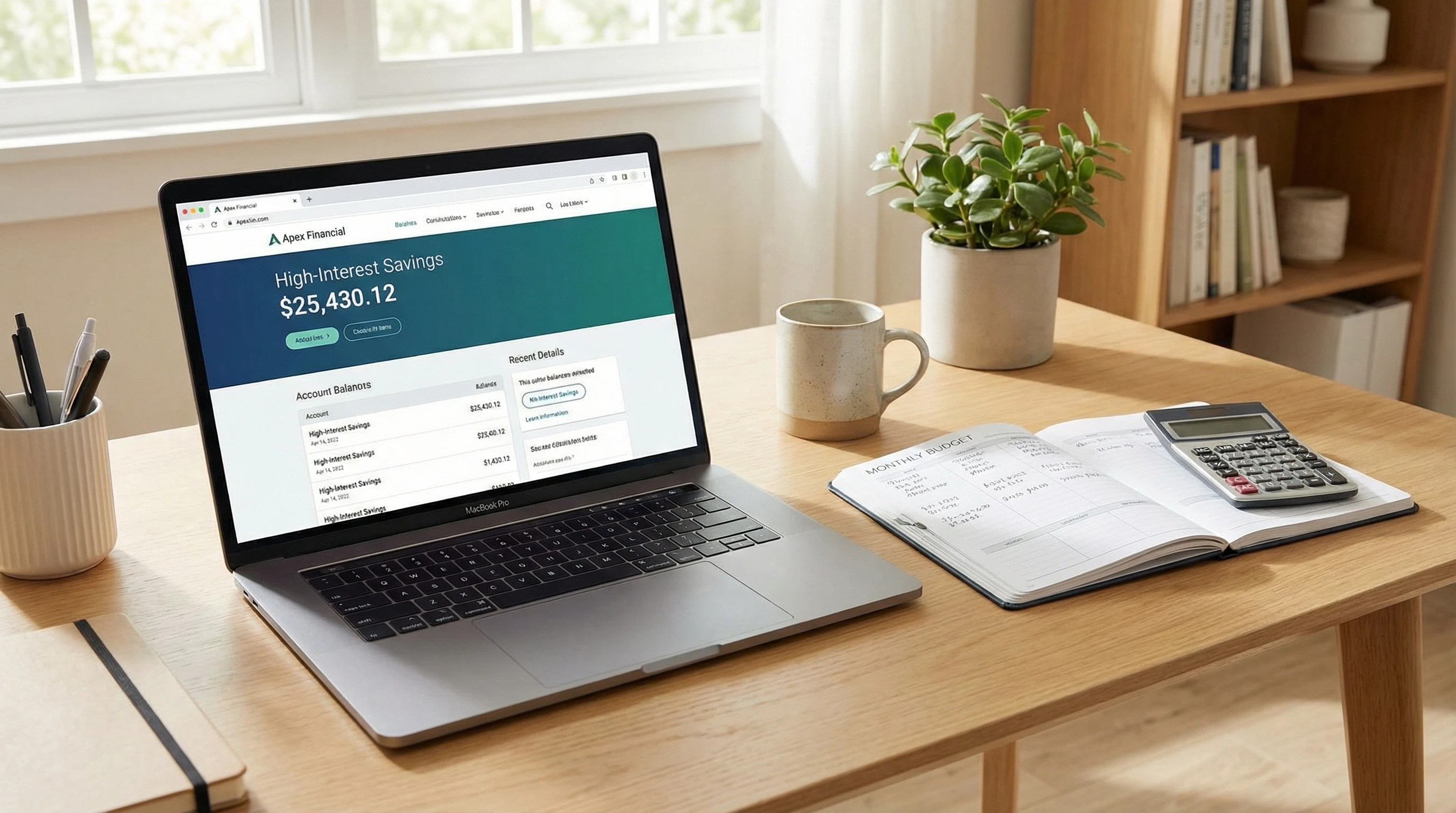
- High-interest savings account: This is my go-to. It keeps my money safe, easy to reach, and earns some interest, so I’m not losing value to inflation. I avoid any account that has withdrawal limits, hidden fees, or long delays.
- Money market account: Similar to a savings account but with slightly higher rates, as long as it’s federally insured and allows easy access. Worth checking out if regular savings rates are low.
Places I skip for my emergency fund:
- Stocks, ETFs, or mutual funds: These are too risky in the short term; values could drop right when I need money.
- Certificates of deposit (CDs) or locked accounts: Penalties and locks can stop me from getting my money fast enough.
How to Build an Emergency Fund (Step by Step)
Building an emergency fund felt impossible at first, but I started small. Here’s how I made it work, even on a modest budget:
1. Start with Any Amount
Even $10 or $25 a week made a difference for me. Watching those first few dollars add up built my confidence, and it was less intimidating than aiming for thousands right away. I celebrated hitting $100, $500, and $1,000 as milestones.
2. Automate My Savings
Setting up automatic transfers is a giant help. Having money come out of my paycheck or right after payday means I’m not tempted to spend what I should be saving. I treat the transfer like a regular bill—never up for debate—so it’s just part of my routine.
3. Use a Budgeting System that Fits My Style
When I follow a system, it gets a lot easier to actually stick with saving:
- Zero-based budget: Here I assign every dollar I make a “job,” including my emergency fund. No money left hanging without a purpose.
- 50/30/20 rule: With this style, I put 20% of my income toward savings and debt, making my emergency fund a consistent part of my plan.
4. Boost Savings When Possible
Any extra cash—tax refunds, bonuses, or even selling stuff I don’t use—goes straight into the fund until it’s at my goal. Small wins add up quickly.
5. Cut Back (for Now)
I found some ways to trim my daily spending while getting started: making coffee at home or pausing subscriptions. A few temporary cuts sped things up, and once the fund hit my first goal, I chose which extras to bring back.
What To Do If I Need to Use My Emergency Fund
Needing to dip into these savings is not a sign of failure. This is exactly what it’s meant for.
- When I use it: I try to track exactly what happened, how much I needed, and if it was something I could plan for in the future. If it was truly urgent, I don’t beat myself up for using it.
- How I rebuild: After using my fund, I temporarily move more savings into rebuilding it. That might mean pausing investments, slowing debt payments a little, or selling a few things. Having a plan to get back to my savings target helps me breathe easier next time around.
Emergency Fund Mistakes I Try to Avoid
- Using it for nonemergencies: I set some personal rules about what’s urgent and only dip in when it really fits.
- Waiting for “extra money” to save: If I only save when there’s something left over, it rarely happens. Scheduling transfers, even small ones, keeps me on track.
- Keeping emergency money in risky investments: Market losses can be a nasty surprise if I need that cash in a hurry.
- Forgetting to rebuild: After I use some or all of my fund, I make a plan to fill it up again, not just move on and hope emergencies are done for good.
Emergency Fund vs Other Financial Goals
Sometimes saving for emergencies, paying off debt, and investing all at once can feel overwhelming. Here’s how I’ve learned to prioritize:
- Building a starter emergency fund comes first: Having $500–$1,000 set aside saves me from more debt if trouble hits. Then, I pay down highinterest debts as fast as possible.
- Bigger safety net and investments come after: After debts (especially credit cards or payday loans) are under control, I build my fund to 3–6 months and start regular investing (like retirement savings).
- I avoid skipping the emergency fund entirely: It’s easy to say “debt payoff should come first,” but if I get hit with a surprise, I just go further into debt. Saving even a small amount is worth it, so I’m not constantly in crisis mode.
Who Really Benefits From Prioritizing an Emergency Fund?
- People just starting to budget: If finances feel shaky or unpredictable, an emergency fund builds stability. I never realized how much it’d help until I had one—removing stress and surprises changed the whole vibe of my money life.
- Anyone with unstable income: If my pay changes month to month, having a buffer is super important. The slower months are way less scary.
- New business owners or side hustlers: When I started freelancing, no two months looked the same. Having a backup gave me peace of mind.
- Singleincome households: Relying on one paycheck (mine or someone else’s) makes the household more vulnerable, so having an extra cushion really matters.
Frequently Asked Questions About Emergency Funds
Q: What’s considered a true emergency?
A: For me, true emergencies are things I can’t avoid or postpone: hospital visits, urgent home repairs, or periods of lost income. Sudden travel for a funeral? Yes. Sale on new shoes? That’s a hard no.
Q: How do I save when I can barely pay my bills?
A: I started with the tiniest amounts possible—loose change, a buck or two from side gigs, or using cashback apps. The key is momentum, not perfection. Some extra income ideas I used: dogwalking, online surveys, or selling unused stuff online.
Q: Should I invest my emergency fund for higher returns?
A: For me, safety and quick access are much more important than squeezing out a bit more interest. I leave investing for money I don’t need to touch in the short term.
Q: Do I need separate funds for different emergencies?
A: I keep it simple with one main emergency fund for anything urgent and unexpected. If I have specific, predictable expenses (like car maintenance), I make a separate sinking fund for those.
Some Common Hurdles With Emergency Funds (And How I Handle Them)
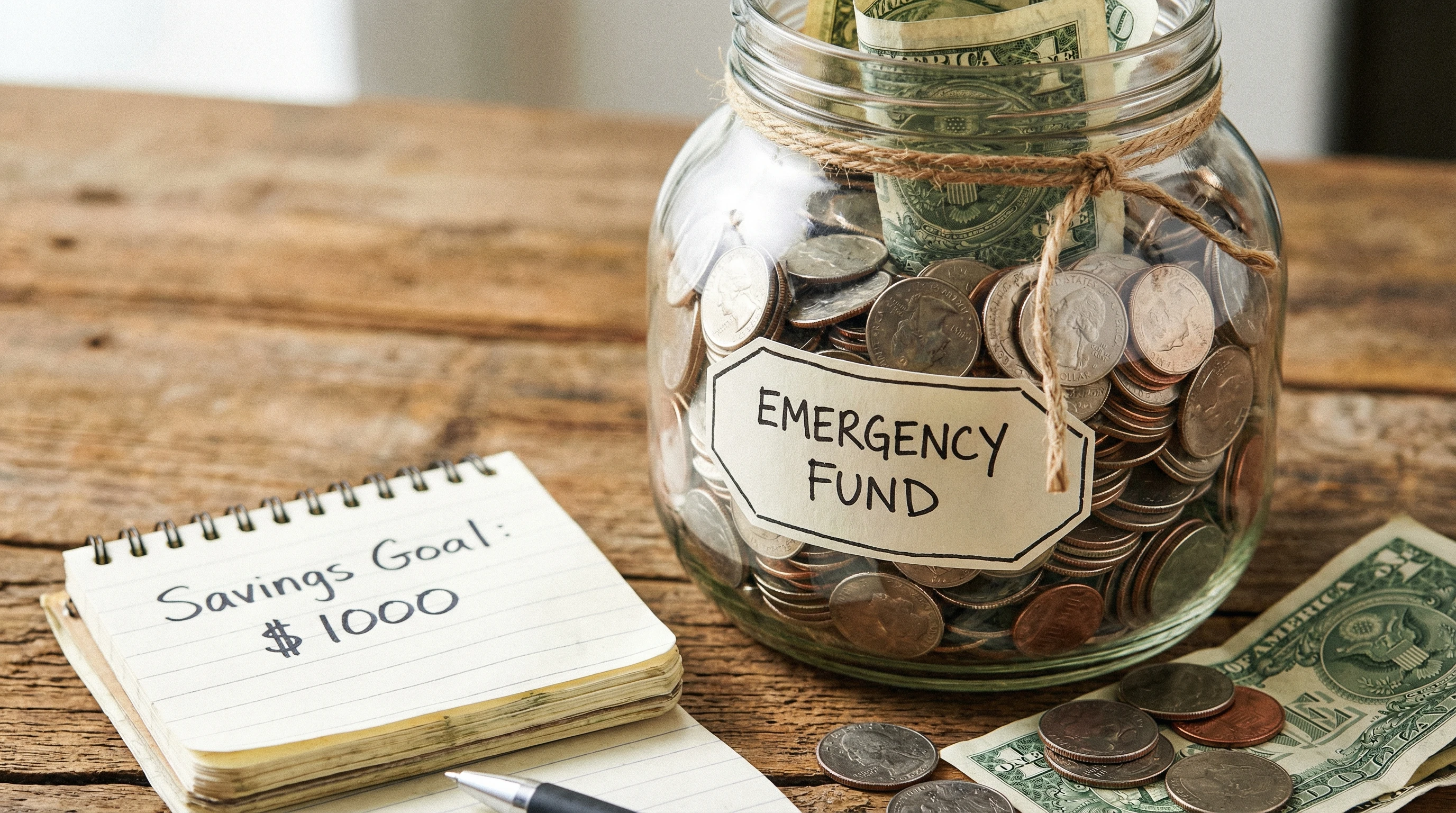
Just like any new habit, saving for emergencies comes with challenges:
- Feeling overwhelmed by big numbers: Instead of focusing on the total, I break my goal into small, manageable pieces. Even $100 at a time feels like a win.
- Worrying about missing out: I try to remember that a bit of shortterm sacrifice today saves a lot of stress later. Once the fund is set, I slowly reintroduce little splurges.
- “One step forward, two steps back”: Life will sometimes wipe out my emergency fund. It’s okay to start again, progress builds over time.
Advanced Emergency Fund Tips and Tricks
- Open a separate savings account: Having my emergency fund out of my regular checking account makes it less tempting to touch for casual spending.
- Label my goal: Nicknaming the account “Safety Net” or “Rainy Day” helps remind me what it’s for.
- Use windfalls: Directing half (or all) of any unexpected income straight into my emergency fund gives it a real boost, and it feels easier than taking from my regular budget.
- Review and adjust: I look at my fund every six months or so to see if I need to bump it up as my life changes, like bigger expenses, family additions, or new housing.
The Basics: What Should an Emergency Fund Actually Cover?
- Medical emergencies: Unexpected health bills or urgent care visits (for me, my kids, pets, or parents).
- Job loss or pay cuts: Weeks or months with no income need coverage for basics.
- Home repairs: Fixing broken plumbing, roof leaks, or a dead furnace (not home upgrades or renovations I plan ahead for).
- Car repairs: Immediate needs like replacing a flat tire or a major breakdown.
- Unexpected travel: Emergency trips, like flying to see a sick family member.
If I have special needs in my life (like supporting family overseas, caring for elderly parents, or running an unusual job), I make sure those risks are covered, too.
Wrapping Up
Building an emergency fund takes time and patience, but every dollar I save makes me feel more secure. It’s not about getting everything “perfect” or hitting some magic number overnight; it’s about steady progress that leaves me better prepared for whatever comes next.
Even small steps add up. I remind myself that the biggest wins start with the first move. My emergency fund sets me up to handle life’s twists and turns without panic or extra stress.
Most people don’t fail financially because they’re careless, they miss out because no one showed them the basics. I’ve been there, and I’m still learning as I go.
The systems, like having an emergency fund, tracking my budget, and making small changes, matter so much more than any single tip or trick. I talk about my wins, mistakes, and lessons by email so you can learn right alongside me. If you want real talk about money, without the drama or hidden sales pitches, I’d be happy to have you join.
👉 Join my email list and learn alongside me, one practical lesson at a time.