

Investing in cryptocurrency has grabbed a lot of attention lately. I remember when I was just getting started, it felt both exciting and a bit nerve-wracking.
There’s definitely plenty of buzz about people making big money with crypto, but there’s also plenty about losses, from scams to price drops.
Despite all that, crypto continues to pull in new investors every day.

Why Crypto Keeps Attracting New Investors
There’s a real reason crypto stays popular.
It’s not just flashy headlines or the chance of fast profits. Many people are drawn to the idea of controlling their own money, moving funds without a big bank, and the hope of being part of the next wave in tech. Others just want to dabble and see if this new asset can help grow their savings.
The culture around crypto is filled with hope about decentralized finance, but it’s not as wild west as it seems. Big companies and even some governments are starting to take digital assets seriously, keeping the hype alive and encouraging starter investors to jump in.
People like the innovation and the fact that digital currencies aren’t limited by borders, which feels fresh compared to traditional banks.
What New Investors Worry About
I completely get being anxious about getting into crypto.
Common fears include losing all your money overnight, having your account hacked, falling for a scam, or just not understanding how it works.
Crypto’s technical side and fast-changing prices make many people pause. It’s understandable to worry about sending money into the unknown and not being able to get it back.
Another worry is government regulations.
Some investors feel uneasy because crypto isn’t backed by a central government, which makes people think twice about how safe their money is.
Plus, reading about exchange hacks or people losing millions with a wrong click adds a layer of stress.
How This Guide Makes Starting Simpler
This guide is built for folks just testing the waters. I’m sharing what I wish I knew early on: what crypto really is, how investing works, picking the right coins, avoiding beginner traps, and basic steps for safer investing.
Reading this should give you the confidence to get rolling, carefully, and stay smart with your money.
What Is Cryptocurrency?
Cryptocurrency is digital money, has real value, but only lives online.
Unlike cash or bank balances, no one official controls it. Bitcoin was the first, and most are now run using blockchain technology, which is sort of a public, digital record book where everyone can see what happens, but no one can easily cheat.
What sets crypto apart from traditional money is just how open the system is. Traditional cash (like dollars or euros) is managed by governments or banks. With crypto, transactions can happen straight from person to person, anywhere in the world, often with low fees.
Blockchain Explained (Without the Jargon)
You’ll hear “blockchain” mentioned all the time. Imagine a chain of blocks, where each block is a batch of transactions.
Every time someone sends, buys, or sells, an updated record is stored in a new block. This chain is updated across thousands of computers, so tampering is really tough. It’s a clever way of building trust without a middleman.
Digging a little deeper, every blockchain uses math to verify transactions, which keeps everything honest. You don’t have to trust a single institution; instead, thousands of computers agree on what’s true. That’s why people call it decentralized.
How Does Crypto Investing Work?
There’s more than one way to invest in crypto.
Some people just buy and hold coins hoping they’ll grow in value (“HODLing”). Others trade more actively, buying low and selling high, though this gets risky, especially for beginners.
Others use crypto to earn passive rewards, like staking or lending.
Buying, Holding, Trading
- Buying: Just snatching up a coin and adding it to your account. This is the simplest way to start.
- Holding: Keeping your coins for the long term, ignoring day-to-day price swings.
- Trading: Actively buying and selling to try to catch quick profits. Some do this daily, others less often.
Exchanges vs Wallets
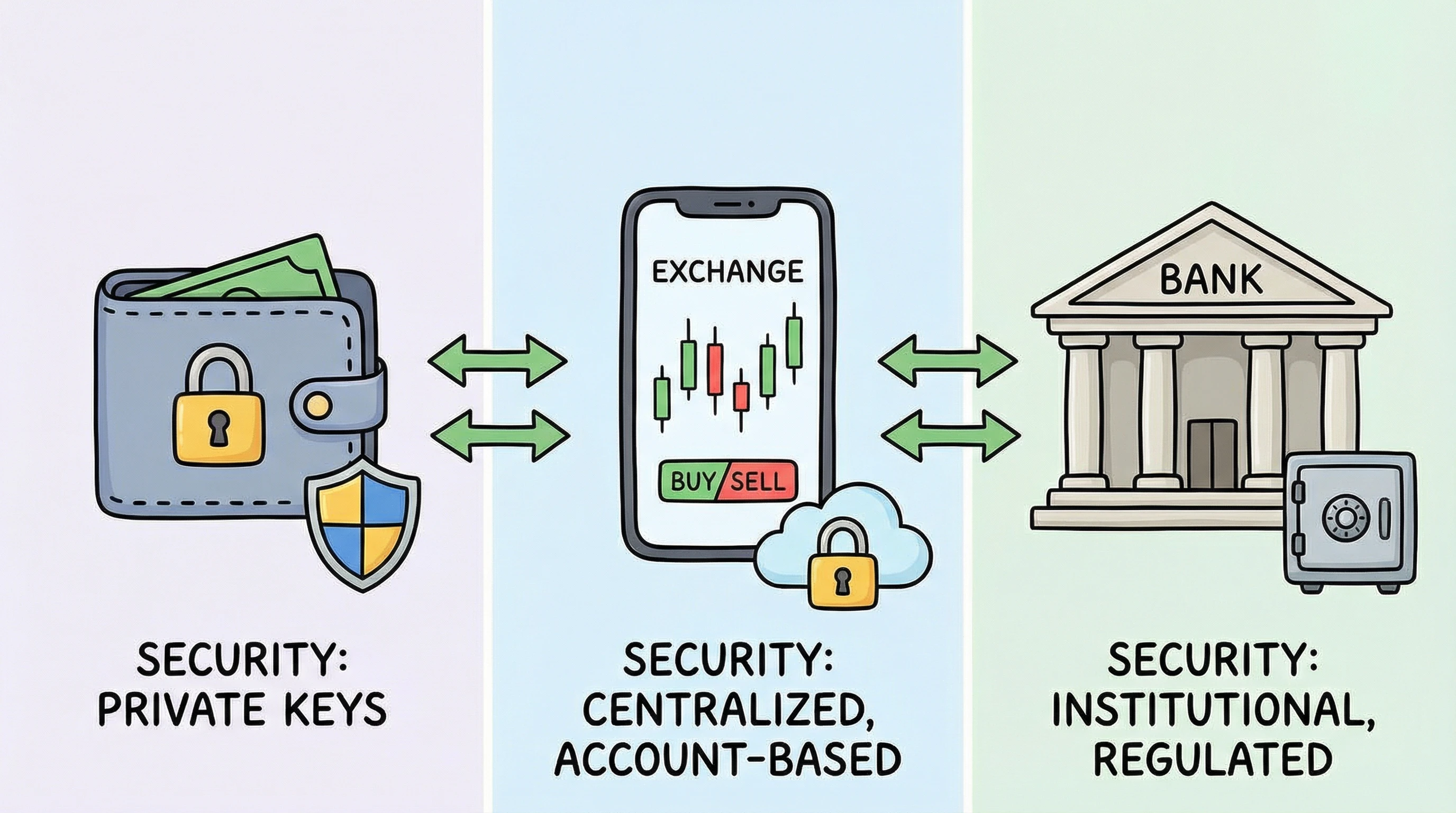
To buy crypto, you’ll use a crypto exchange like Coinbase, Binance, or Kraken. Think of it as an online store and bank mixed together.
But to keep your crypto extra safe, moving it to a personal wallet (an app or even a piece of hardware) is a smart idea. Wallets put you in control, but if you lose your password (your “private key”), the coins are gone for good.
How People Make (and Lose) Money in Crypto
Money is made when prices rise or through special features like staking rewards. But losses happen, sometimes fast, if a coin’s price tanks, if you fall for a scam, or just trade carelessly.
It’s possible to see your investment drop by half in just a week, so having a stomach for risk is important.
Recommended Reading: Index Funds Explained: What They Are, How They Work, And Why Beginners Love Them
Popular Cryptocurrencies Beginners Should Know
- Bitcoin (BTC): The first and most widely known. It’s like the gold of crypto. Most beginners start here because it’s considered more stable compared to others.
- Ethereum (ETH): It’s not just digital cash. Ethereum runs smart contracts (digital agreements) and powers a lot of what makes the crypto world run. It’s very popular, and lots of new projects are built on it.
- Stablecoins (USDT, USDC): These are coins tied to things like the US Dollar. They don’t swing around in price as much, so people use them to park money or move it between exchanges safely.
- Altcoins: Everything that isn’t Bitcoin. Some are legit, with real uses, but many are experiments or very risky. Altcoins can see wild price changes, sometimes up, often down.
High Risk, High Reward
Altcoins can grow fast, but the risks are just as big.
Coins that sound great today can vanish or crash, and lots of new tokens are hyped up by influencers who may not have your interests in mind.
Always check out what problem a coin is trying to solve and who is behind it before investing.
Is Crypto a Good Investment for Beginners?
Pros of Crypto Investing
- Access to new financial markets 24/7.
- Puts you in control of your own assets.
- Potential for high returns if you pick well and get a bit lucky.
- Fractional ownership means you don’t need tons of cash to get started.
- Opportunity to learn about emerging tech as you invest.
Cons and Volatility Risks
- Prices bounce up and down fast, even by the hour.
- Coins can lose value suddenly on news, hacks, or rumors.
- Big risk of scams, technical mistakes, or losing your wallet key.
- Lack of regulation means less protection from fraud than with stocks.
Who Is Crypto Best For?
If you’re someone who’s okay taking some risk and can handle ups and downs, crypto might fit your style.
If losing money would hit your basic bills or keep you up all night, it might not be the best first step. Always remember: only invest what you’re okay with potentially losing.
How Much Money Do You Need to Start Investing in Crypto?
You don’t need thousands to get started.
Most coins can be bought in tiny fractions, so you can throw in as little as $10 and still get started. This is called “fractional investing,” and it’s one of the cooler features of crypto versus traditional stocks.
Why Starting Small Is Wise
Jumping in big can be tempting, especially if you see prices jumping.
The smarter move is to take your time and learn with small amounts first. This gives you a feel for how things work and sets you up to make wiser decisions as you gain experience.
Avoiding the All-In Trap
I’ve seen plenty of folks try to bet their whole savings on the ‘next big thing’ coin, only to regret it when things crash.
Keeping your bets small helps protect you from expensive mistakes.
Common Crypto Investing Mistakes to Avoid
- Chasing Hype and Influencers: Don’t buy just because you saw it on social media. Always research a coin’s project and background.
- Overtrading: Jumping in and out of coins constantly racks up fees and can lead to panic selling.
- Ignoring Fees: Every trade, swap, or transfer usually comes with a fee. These can add up quickly if you’re not careful.
- Not Securing Assets Properly: Storing all your coins on an exchange leaves you open to hacks. Personal wallets or even hardware wallets (like Ledger or Trezor) are safer options.
- Neglecting Updates: Not being aware of new crypto developments or network changes can sometimes put your funds at risk if you’re holding certain altcoins. Always stay informed.
How to Invest in Crypto Safely
Choosing the Right Exchange
Pick an exchange that’s got a solid reputation, userfriendly interface, and strong security features.
Check out user reviews and look for exchanges that offer insurance or FDIC-like safeguards for added peace of mind. Coinbase, Kraken, and Binance are popular globally, but always research which are legal in your region.
Passwords and 2FA
Use strong, unique passwords for your crypto accounts. Two-factor authentication (2FA) adds an extra layer, usually a phone code or app confirmation on top of your password. If you can, regularly change your passwords to keep your accounts safer.
Staying Clear of Scams
The crypto world has its share of fake coins, phishing emails, and giveaway scams. Don’t trust direct messages with wild promises or click random links. Always double check every website address before logging in or sharing any details.
Long-Term Vision Matters
Crypto prices move fast, but trying to guess every peak and bottom wears most people out.
A patient, long-term approach (months to years) beats panicking on every price dip and lets the magic of time work for you. Think of crypto as a potential part of your long-term savings, not a quick win.
Crypto vs Traditional Investing
Crypto vs Stocks
Stocks are shares of a company, backed by profits or real world assets.
Crypto represents ownership in a network or project, some with a real use case, some just speculation. Stocks are typically less wild than crypto, but returns can be slower. Stocks often pay dividends, which are small regular payments. Crypto rarely pays these except in the form of staking rewards for some coins.
Crypto vs Index Funds
Index funds bundle lots of companies together and are managed to reduce risk. They’re popular for steadier, slower growth. Crypto is more volatile, with big swings up or down, but offers new opportunities and is mostly managed by you, not an investment firm.
Which Is Riskier?
For beginners, crypto’s risks are much higher than stocks or index funds. Markets run 24/7 and aren’t regulated the same way. It demands more attention and research, but the upside can be bigger if you play it smart and stay cautious. You’re your own risk manager in crypto, which means you have to pay more attention to details and security.
Can Crypto Help Build Long-Term Wealth?
Crypto can play a part in growing your wealth, but it depends on your plan and temperament. Some coins have delivered incredible gains for early holders, but many have faded away or crashed. It’s risky, and it’s not a guaranteed ticket to riches.
Managing Expectations
Trying to strike it rich overnight usually backfires.
Most winning stories happened because people stayed patient and didn’t risk more than they could lose. Mix in some patience and curiosity to help you track down real opportunities rather than hype.
Diversification
Don’t put all your eggs in the crypto basket.
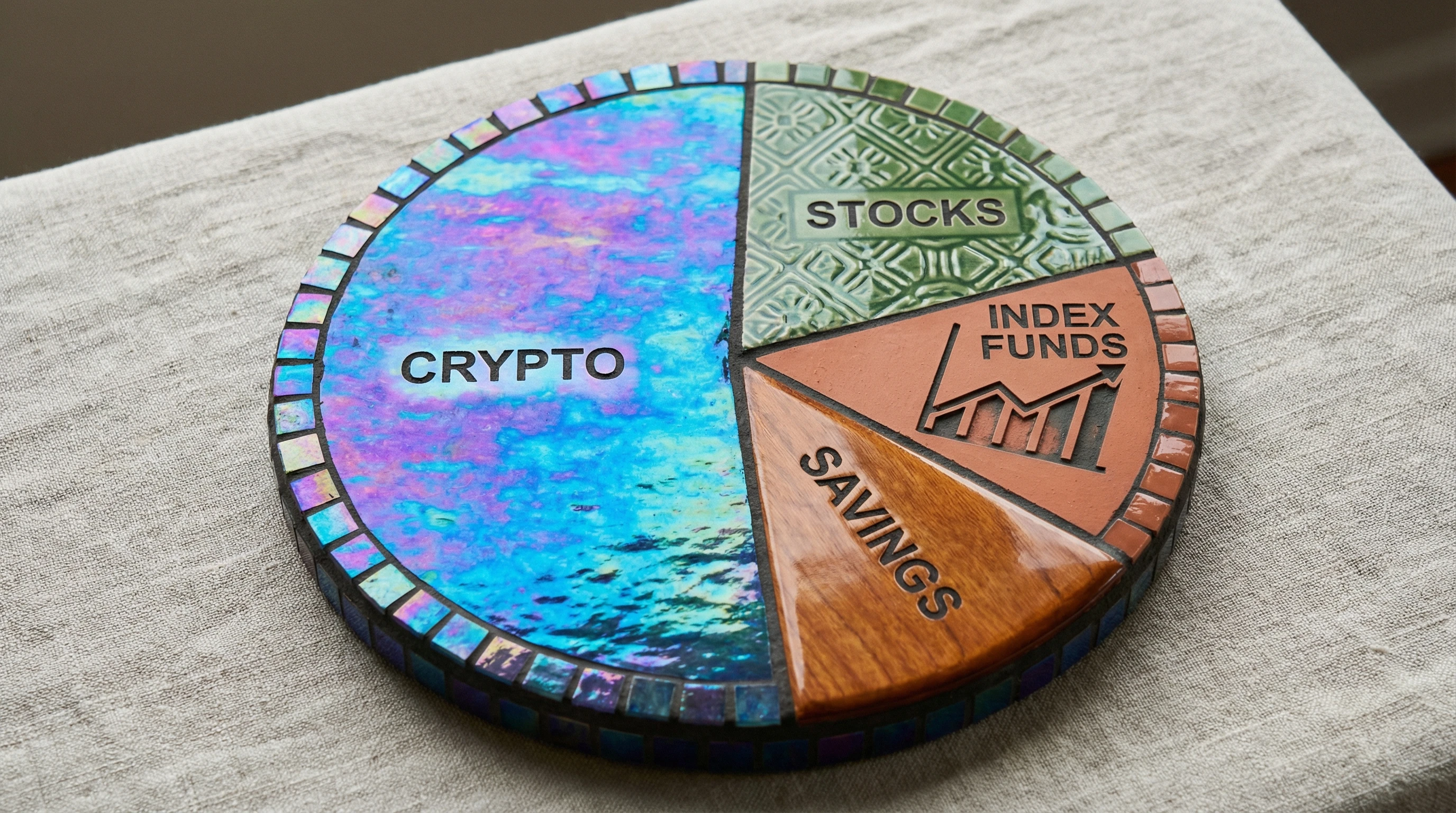
Mixing crypto with traditional investments, like stocks, bonds, or savings, makes for a smoother, more resilient financial plan. This helps you handle crypto market swings more easily and provides backup if one area stumbles.
Crypto as Part of a Bigger Plan
Crypto on its own rarely solves all your money needs. It works best as one piece of your investment puzzle, alongside regular budgeting, savings, and maybe some stocks or real estate. Make sure your basics are covered first, then use crypto as a potential growth booster rather than your main strategy.
Wrapping Up—Should Beginners Invest in Crypto?
Crypto is exciting and has some real opportunities for building wealth, but it’s also risky and sometimes confusing.
If you treat it like a learning adventure, start small, stay skeptical of hype, and keep security front and center, you’re setting yourself up for a much better experience. Education beats jumping into risky trades every time. Build your understanding first, and then use crypto as one part of your broader approach to money and investing.
Want to learn how different income systems and investing strategies can work together for your goals?
Check out this free beginner bundle, perfect if you’re serious about making your money work for you (instead of just chasing trends):
- 🎥 4 powerful masterclass videos from real 7-figure earners (Value $499)
- 📘 A step-by-step guide to affiliate marketing and building income streams
- 🚀 Smart systems for beginners interested in wealth, without the guesswork
👉 Get instant access to the free training here
So, are you ready to begin your crypto investing journey? Or have you already started?
Give us a comment below, to let us know where you are in the journey.
Looking forward to hearing from you.
Regards and Take Care
Roopesh