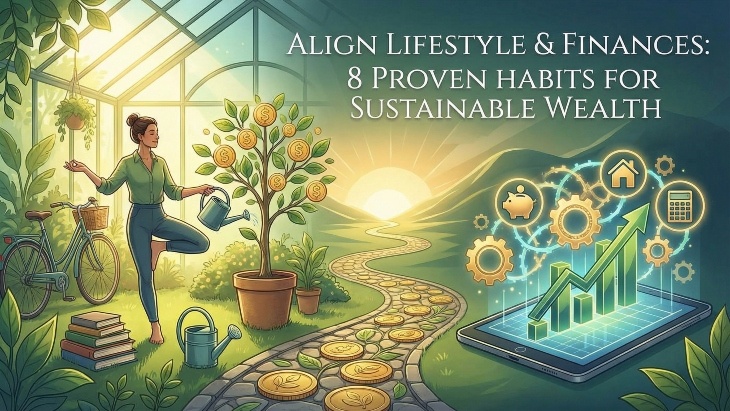
Balancing lifestyle and finances can feel like walking a tightrope.
I know people who work hard and earn a decent living, but they always seem financially stressed.
On the flip side, I’ve seen friends save every penny but miss out on experiences they really care about.
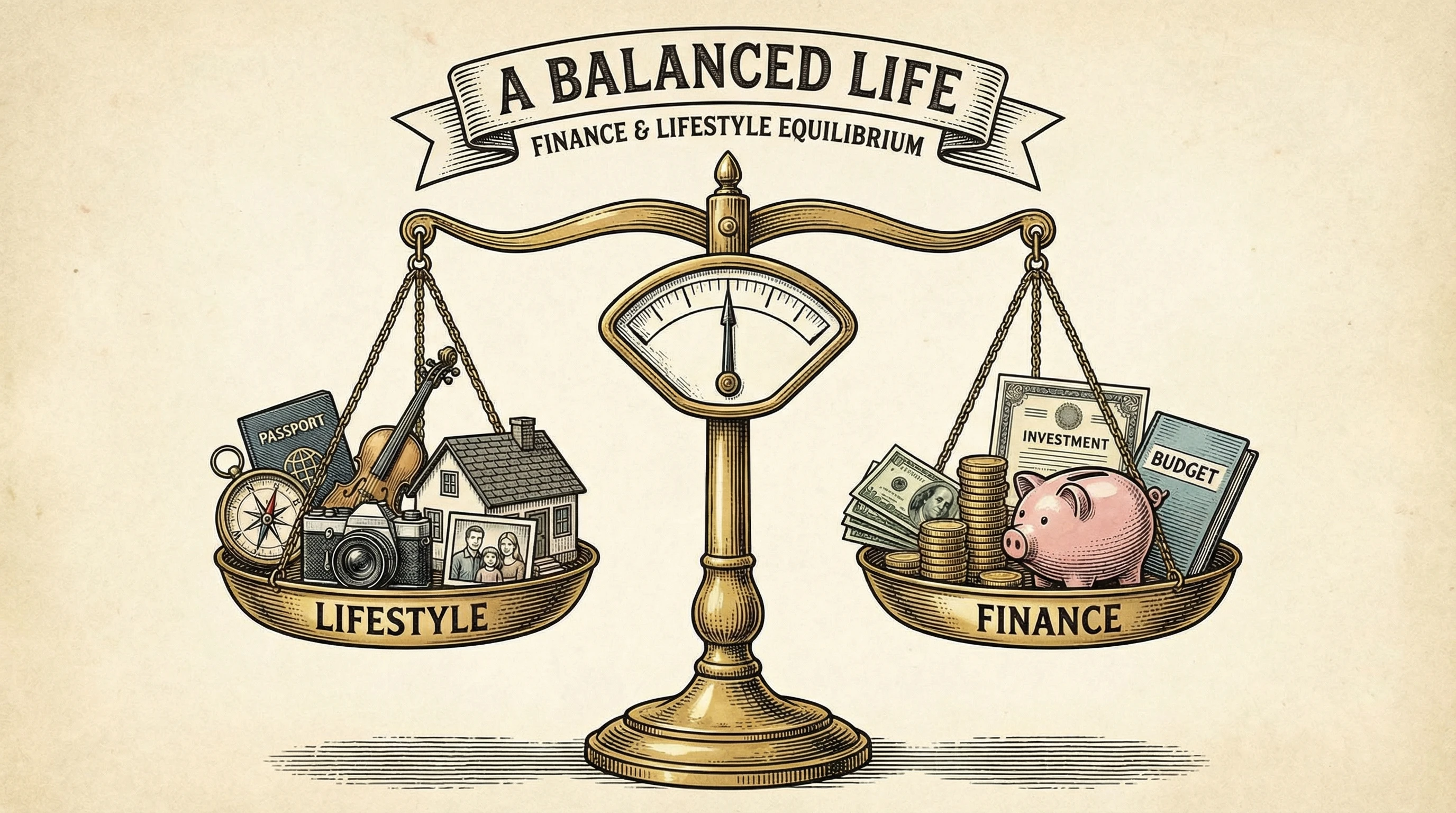
Aligning lifestyle and finances isn’t about giving up what you enjoy. It’s about finding a balance that lets you thrive without feeling burnt out or guilty about money.
If you’re searching for the best ways to align lifestyle and finances, you’re in the right place.
In this guide, I’ll walk you through smart, practical strategies to help create long-term balance without endless sacrifice.
Why Aligning Lifestyle and Finances Matters
When your spending habits and life goals don’t match up, it can lead to a lot of stress or even debt.
Trying to keep up with others can drive you to overspend, while being too restrictive can leave you feeling empty or frustrated.
I’ve watched people upgrade their lives every time they get a raise, only to find themselves stuck at the same savings level, just with fancier stuff.
That’s called lifestyle inflation.
It’s way more satisfying to build a life where your financial choices line up with what actually matters to you.
When you get clear about your values, you’ll make decisions that support long-term growth, not just short-term fixes.
You don’t have to deprive yourself or go overboard; think of it more like tuning your life to what really resonates with you.
1. Define What an Ideal Lifestyle Means to You
Knowing what you want from life is always the first step.
Social media and peer pressure can make it tempting to set goals based on what looks good, but real alignment means understanding your own priorities.
For me, freedom and travel rate higher than owning the latest car.
Maybe you value stability, or maybe flexibility ranks high.
Try jotting down your top three values, then make a vision board or simple list of what fits those values.
This kind of clarity makes it easier to spot expenses that genuinely add value versus ones driven by FOMO or external expectations.
Set your own standards before diving into the budget spreadsheets. If you want more insight on this, I recommend checking out my article on building a healthy money mindset for more perspective.
Sometimes, looking at what you don’t want can be just as revealing as what you do want — knowing what to avoid helps narrow your real targets for happiness.
2. Set Financial Goals That Support Your Lifestyle Vision
Once your vision is clear, get specific with your money goals.
Too often, people pick random savings numbers or vague targets like “save more this year.”
Instead, work backwards from your ideal lifestyle.

Do the math: if traveling two months a year is part of your dream life, what would that cost? What income do you need to cover living expenses, savings, and some fun money?
Break big goals into short-term and long-term steps, like saving for a future home, stepping up investments, or building a “fun fund” for spontaneous experiences.
If you’re struggling to stick to these goals, you might get value from my tip-filled post on how to stick to your financial goals. Plus, small milestones — like saving for a weekend getaway — build momentum and make big dreams feel attainable.
3. Build a Flexible, Lifestyle-Based Budget
Budgets have a reputation for being restrictive, but I see them as roadmaps rather than straightjackets.
Build your budget around what you actually care about, leaving space for both essentials and enjoyment.
Use a zero-based or percentage system, whatever feels easier to stick with. Sometimes I use a “bucket” system for travel, dining out, or personal development.
Spending with intention means fewer impulse buys and a lot less regret. It’s also way easier to make progress when you’re not cutting out everything that gives you joy.
If you want step-by-step help with this, don’t miss my guide on crafting a budget for your lifestyle.
Try using a basic spreadsheet or an app to track what truly matters, and don’t be afraid to adjust month by month as your interests or needs change.
4. Avoid Lifestyle Inflation as Income Grows
Getting a raise or landing a better job is awesome, but it’s really easy to let every increase in income lead to bigger bills.
I’ve fallen into that trap, too.
The trick is to decide on upgrades intentionally, not automatically.

Try making a rule that at least half of every raise goes toward savings or investment.
If you want to treat yourself when you get a bonus, go for it, but check in with your priorities first.
Intentional upgrades that match your values will feel way more rewarding than spontaneous splurges.
Building a long-term growth mindset helps keep upgrades purposeful. The bigger your income grows, the more tempting those shiny purchases become — plan for some fun, but remember why you aimed to grow your wealth in the first place.
5. Align Your Investments With Long-Term Life Goals
Investing isn’t only about retirement or hitting a big number.
For some, it’s about financial independence, travel funds, or supporting loved ones. I like to put my money into a mix of index funds and some passion projects, which lines up with both my risk tolerance and my lifestyle goals.
The point is to tailor your investments to your personal timeline.
If you want the option of taking a sabbatical in ten years, plan for that in your portfolio. Check your allocation a couple of times a year to make sure it still suits your goals, and protect your investments from too much volatility by mixing in some variety.
If you’re curious about the nuts and bolts, dig into my post on building a balanced investment portfolio for long-term life plans. Investing in yourself through courses or even small business ventures can pay off in new freedoms beyond just extra money, so keep your own development in mind when planning the mix.
6. Increase Your Income to Support Your Desired Lifestyle
There’s only so much cutting back you can do before it starts to hurt your quality of life.
Expanding your income, though, gives you more room to maneuver.
Picking up a side hustle, freelancing, or learning new skills can open up extra income streams.
I’ve tried everything from digital freelance work to selling old electronics online, and all of it made a difference.
Skill building might feel slow at first, but it pays off in long-term flexibility. These days, online options like remote work, teaching, or even digital product sales make growing your income possible without clocking into a 9 to 5 forever.
If you’re interested in boosting your income for more freedom, don’t miss the training bundle link below. Even small projects can open doors to new career paths, so keep an eye out for hidden opportunities in your everyday life.
7. Regularly Review and Adjust Your Financial Plan
Life isn’t static, and neither is the way you use your money.
I set a reminder to sit down every couple of months to check in with my budget and goals.
If you’ve had a big life shift, like getting married, having a baby, or moving, be sure to update your plan.
Small changes like a new subscription or bigger ones like a career switch can throw things off balance fast.
It helps to treat financial reviews as regular check-ups, not crisis meetings, so you always know where things stand.
Alignment is an adventure that’s always changing, so don’t be afraid to tweak as your life changes. This practice helps you catch small leaks before they become big floods, and keeps you nimble as your priorities naturally change over the years.
8. Prioritize Experiences and Freedom Over Status Spending
I’ve found that the happiest people aren’t the ones with the flashiest stuff, they’re the ones spending more time doing things they love with people they care about.
Investing in experiences or buying yourself more freedom can create memories and satisfaction that fancy cars and designer gear can’t match.
Ask yourself: Is this purchase for you, or for keeping up appearances?
When your money supports your real priorities, it’s a lot easier to feel content rather than stretched.
Focus on building your life intentionally, and let your finances take care of the “how.” Consider spending more on hobbies or travel if those bring deeper meaning, knowing that those joyful moments tend to last much longer in your memory than a trendy gadget ever will.
Common Mistakes That Create Lifestyle and Finance Misalignment
I’ve made a few of these mistakes myself, so here’s a quick rundown of what to look out for:
- Comparing your progress or lifestyle to what you see online or with friends. Everyone’s adventure is different and unique to their priorities.
- Sacrificing too much joy for the sake of saving. It can backfire, leading you to binge spend or resent your plan and quit altogether.
- Overspending just to look successful. It’s easy to get caught up in appearances, but it’s usually not worth the stress or future regret.
- Skipping long-term planning. Focusing only on “right now” expenses leaves you less prepared for big life changes or emergencies.
By staying aware of these common stumbling blocks, you can avoid the trap of chasing other people’s definitions of success and build a path that’s right for you.
Wrapping Up: Build a Life Your Money Supports
Money’s a tool, not the finish line.
When your lifestyle and finances are in sync, a lot of those nagging money worries melt away.
It’s all about steady progress; small tweaks and regular check-ins that add up over time.
Sustainable systems that fit your unique lifestyle go a lot further than strict discipline alone.
Start by asking how your money can help you have more freedom, fun, and peace of mind. The balance you want is totally within reach.
Remember, regular flexibility is more powerful than rigid rules — you’re allowed to mix things up as your dreams and needs change.
Want a Clear Plan to Design a Life That Fits Your Finances?
If you’re ready to build skills that support your ideal lifestyle:
- 🎥 Get FREE access to 4 powerful masterclass videos
- 📘 Plus a beginner friendly online income guide
- 🚀 Learn how to create income streams that give you more flexibility and control
👉 Access the free training bundle here
Wishing You Tons of Success for The Year Ahead
Regards and Take Care
Roopesh