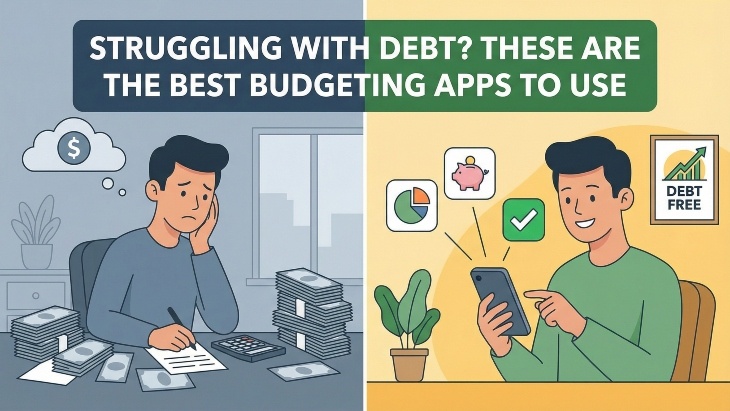
Managing debt can feel downright daunting when bills keep popping up or your balances seem stuck at the same spot month after month.
For me, having a clear, simple plan was really the spark that turned things around. Budgeting apps have made those plans so much easier to stick to, and it’s no surprise more people are relying on them every year.
In 2026, budgeting and debt management apps are everywhere, tailored with smarter features, sharper interfaces, and solid security. These apps aren’t just about tracking your expenses.
They offer real tools to pay off debt faster, avoid late fees, and gain back peace of mind. I’ve gone through the growing list of options and picked out my favorite apps that make managing debt way less stressful.
Whether you’re looking for something free to try out or a paid app loaded with advanced features, you’ll find picks here that can help you budget smarter and ditch debt faster.
How Budgeting Apps Make Managing Debt Easier
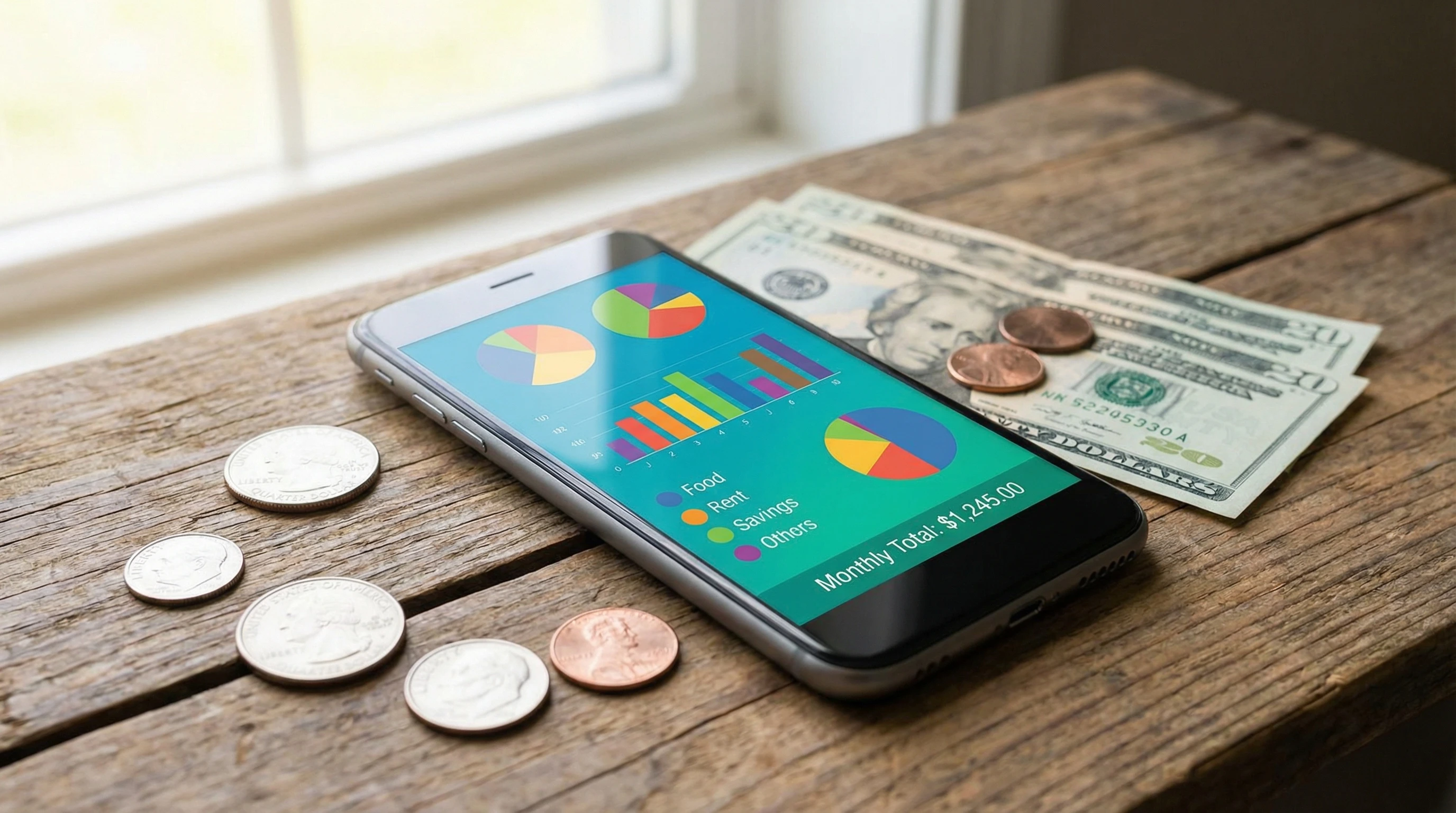
There’s a lot more to a good budgeting app than just showing where your money’s going.
The best options for debt management are packed with features that actively help you get debt-free.
Here’s what stands out:
- Automatic Categorization of Spending: These apps sort transactions into categories (like groceries, bills, or subscriptions) so it’s easy to spot where you might be able to cut back and free up cash for debt payments.
- Debt Payoff Trackers: Built-in calculators and progress trackers keep you motivated and let you experiment with different strategies, like the snowball or avalanche method.
- Budgeting Tools: Most budgeting apps let you plan monthly spending limits and stick to them, helping you avoid unnecessary splurges that slow down debt payoff.
- Goal Planning: You can set goals for debt repayments, emergency funds, or future savings so you see your progress in real time.
- Bill Notifications: Timely reminders help you avoid missed payments and late fees, which can get expensive and make your debt problem worse.
Linking checking, savings, loan, and credit card accounts gives you a live snapshot of your finances, saving tons of time compared to spreadsheets, and helping you adjust quickly if things change.
Many modern apps can even suggest new savings or debt strategies as they analyze your data over time, giving you a continual nudge in the right direction.
What I Look For: How I Picked the Best Apps
Not every budgeting app is made the same, especially if you want help with debt.
Here are the things I pay close attention to because they work for real people juggling multiple bills, cards, and loans:
- Debt Payoff Features: The app should have clear tools for tracking debt balances, interest, and payment plans, making it easy to build and stick to a payoff schedule.
- Easy Interface: It should be quick to set up, easy to find your way around, and simple to keep updated. Otherwise, you probably won’t stick with it.
- Syncs With Multiple Accounts: If you can connect your bank and credit accounts, you get the most accurate, up-to-date picture of your finances without endless typing.
- Automatic Tracking: Being able to track spending and account balances in real time keeps your budget current and your debt goals in focus.
- Savings & Goal Tracking: Useful if you want to work on building an emergency fund or saving for a big purchase while also attacking debt.
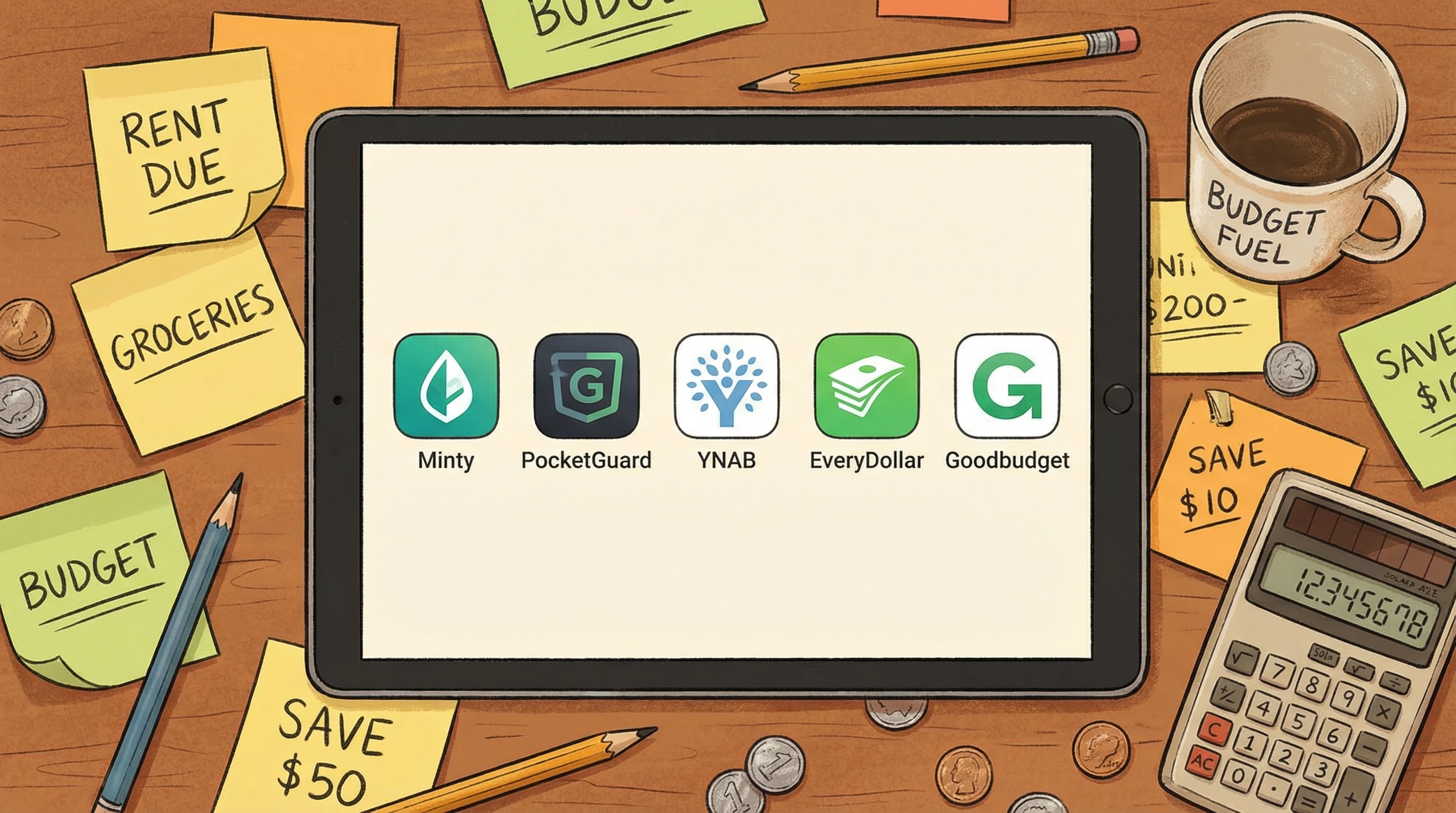
These features are really helpful when you have more than just one credit card or loan to monitor.
Managing multiple debts requires clear tracking and simple, visual progress.
An easy-to-read dashboard is crucial because it shows you where you stand at a glance and helps keep you motivated.
Recommended Reading: How To Understand Paycheck Deductions Easily
5 Best Budgeting Apps for Managing Debt
1. YNAB (You Need a Budget)
YNAB uses the zero-based budgeting method, where every single dollar gets a purpose; nothing just floats.
That sense of control is really motivating when you’re serious about taking charge of debt. You tell the app exactly what each paycheck is doing: bills, groceries, and most importantly, debt payments.
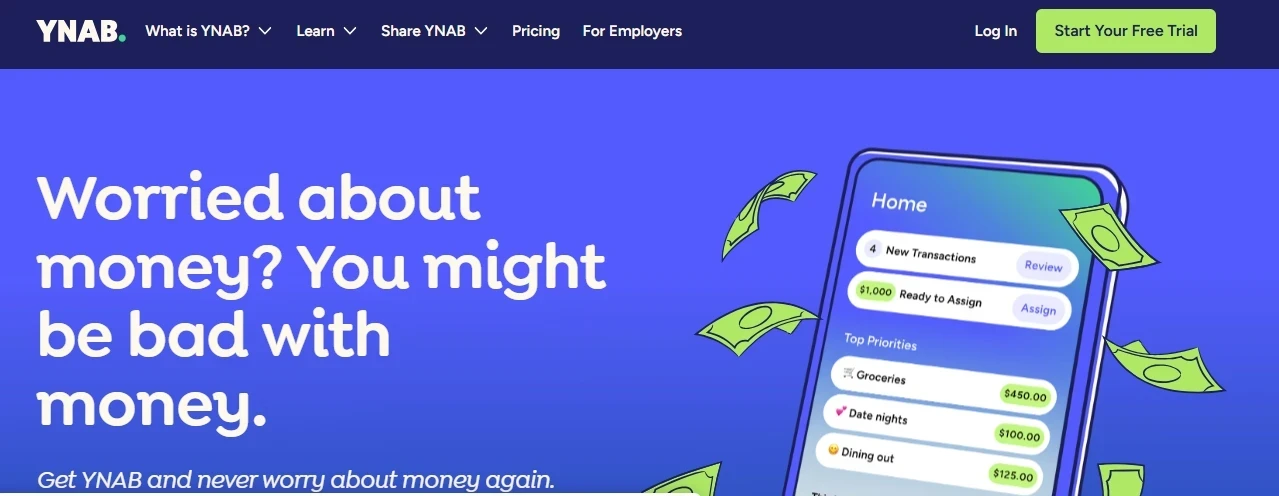
Debt payoff is a core focus here, with tools to map every monthly payment and show how much sooner you’ll be debt-free if you stick to your plan (or pay a bit extra along the way).
YNAB encourages building up a one-month buffer, so you’re spending last month’s money, not counting down the days until the next payday.
Who I Recommend It For: If you want total control and to build longterm money habits, this app really shines. It’s especially good for detailoriented folks who like seeing all the numbers add up perfectly.
Downsides: It’s a paid app (roughly $14.99 per month or $99 per year after a free trial), and the detailed setup might take a little getting used to. Once you get the hang of it, though, it’s solid.
2. Rocket Money
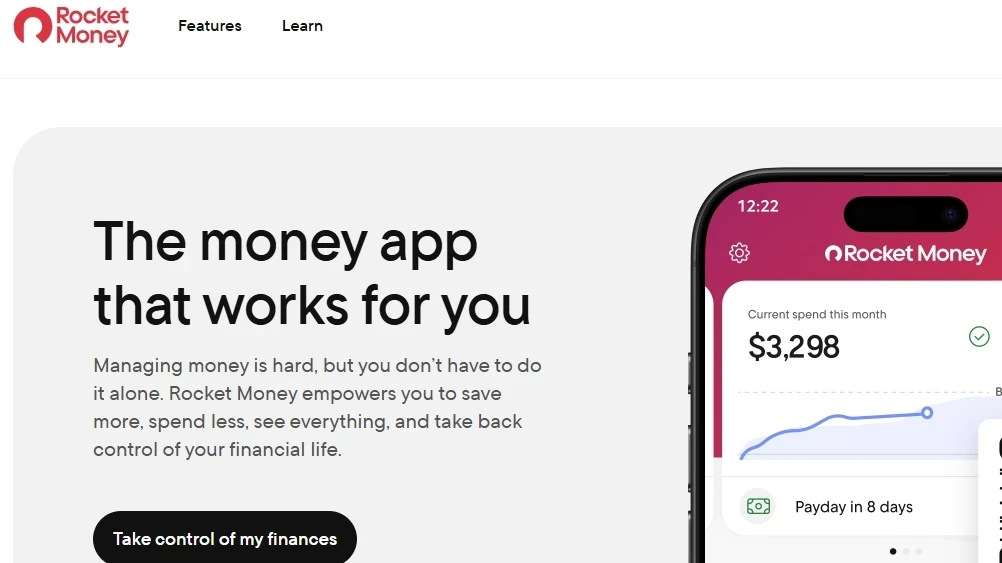
Rocket Money syncs to your accounts, pinpoints regular charges (including sneaky subscriptions), and helps spot spending patterns.
It’s good for showing where money might be getting siphoned off that you could redirect toward debt instead. You get helpful alerts about upcoming bills, so nothing catches you off guard.
There’s also a built-in service that haggles to lower your bills (for a fee), which can free up more money for debt repayment if it works out.
Seeing your net worth and cash flow all on one dashboard is a nice plus if you like having an overview.
 color-coded
Who It’s Best For: If you want automation and a tool that can help spot ways to cut spending with minimal effort, Rocket Money is worth a look.
Downsides: Some advanced features, like bill negotiation, involve extra charges. The free version gives a good taste, but you need the paid version to access all the best tools.
3. Spendee
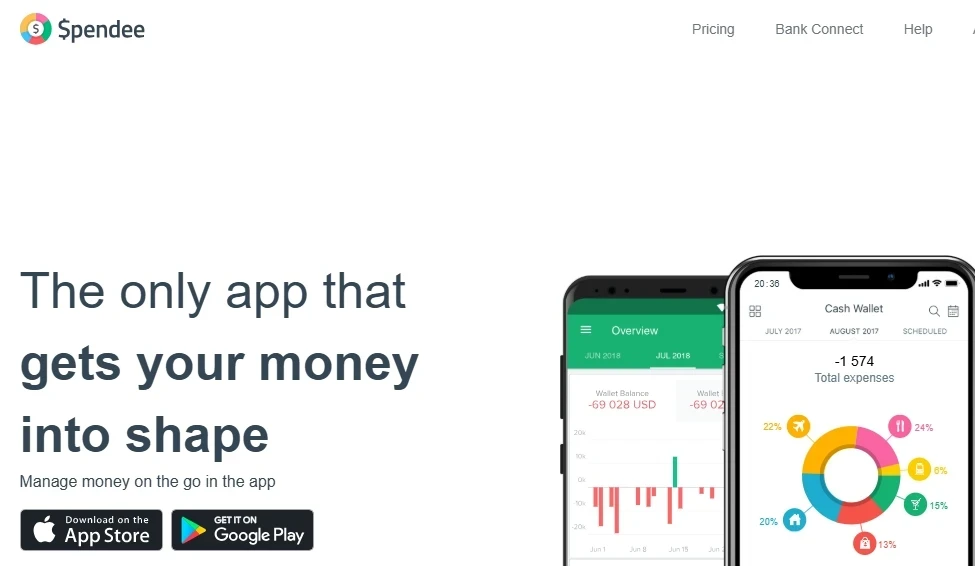
Spendee connects to your accounts and lays out your budgets in super simple, color-coded charts.
It’s great for spotting overspending and tracking categories in a way that clicks for visual learners. This kind of breakdown makes it a lot easier to see where extra dollars could go toward debt each month, or where you might be spending without thinking.
If you share finances with a partner, Spendee also has shared wallets for joint budgeting. Custom alerts can warn you when you’re nearing your monthly limit or if a big bill is coming up, which is really helpful when trying to keep debt from creeping back up.
Who Finds Spendee Useful: Families, couples, or anyone who likes a big picture, visual approach.
Downsides: The free version has some limitations, and you’ll want the paid plan (about $17.99 per year) for full bank syncing and more advanced features.
4. Goodbudget
Goodbudget is the digital version of old-school envelope budgeting.
You make virtual envelopes for every spending category, like groceries, gas, or credit card payments.
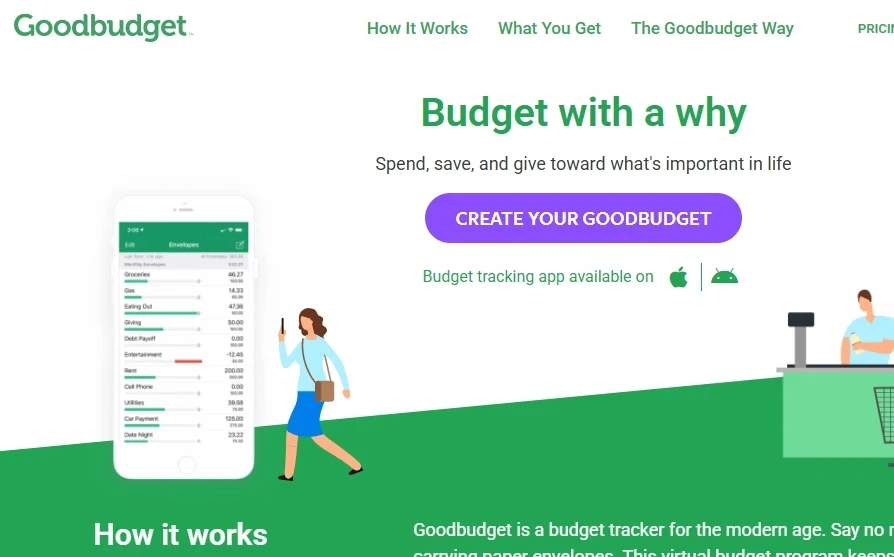
Once an envelope is empty, you wait until your next pay period to refill it. This setup helps keep debt payoff a high priority, because you’re setting aside funds for it right from the start.
There’s a big emphasis here on “intentional spending.” It’s especially popular for people who budget together and like seeing their plans side by side.
Some data entry is manual unless you pay for the full version, but the process is still pretty simple for tracking bills and debt payments.
Who I Like Goodbudget For: Couples, roommates, or anyone needing to coordinate budgets with someone else. It’s also good for folks who want more control over where dollars go, even if it means a bit more manual entry.
Downsides: Manual updates on some accounts can get tedious. It lacks some automation you’ll find in other apps unless you upgrade.
5. PocketGuard
PocketGuard is all about clarity for beginners.
It connects to accounts and automatically sorts your spending, so you can instantly see how much is “safe to spend” after bills, debt payments, and goals.
The idea here is clarity: no more guessing if you can afford a night out or extra groceries on the fly.
The app’s debt tracking tools aren’t as detailed as some bigger names, but what it does well is simplify your budget, showing you possible ways to accelerate debt payoff, and keeping things super straightforward.
I really like how easy it is to get started and stick with it.

Who It’s Best For: Beginners, busy folks, or anyone wanting a fussfree way to start tracking money and making room for extra payments toward debt.
Downsides: Less customization and fewer indepth tools for those with more complicated finances, but great for getting started fast.
Bonus Budgeting & Debt Apps Worth Checking Out
- Lunch Money: For in-depth analytics, tracking in different currencies (handy if you work internationally), and clean reports. Paid app that feels modern.
- Quicken Simplifi: A newer tool from an old favorite. It makes income, bills, and savings super clear, and the forecasting tools are useful for debt planning.
- Vault22 (ZA): Good pick for South African users; tracks spending, debts, and local features.
- PocketSmith: Useful forecasting tools to see how your debt, spending, and savings add up months into the future.
Tips for Getting The Most from Budget Apps in Debt Repayment
- Connect all your accounts (checking, savings, and credit) so you get the complete picture every month. Manual tracking gets old fast and can lead to missing stuff.
- Set SMART debt goals (specific, measurable, achievable, relevant, and time-bound). Pick an end date, the amount to pay off, and track every month.
- Review spending categories monthly, looking for places where small changes could add up. Think: subscriptions to cut or shifting a bit more toward debt each pay period.
- Automate payments when possible to never miss due dates and slowly build up an on-time payment history, which helps with future interest rates and credit score.
- Check progress at least monthly, make tweaks, and stay flexible. Life happens, but small, steady changes add up surprisingly fast.
🧠 Unlock Financial Clarity & Income Growth
If you’re serious about switching up your financial story, I’ve put together a handpicked bundle of four free masterclass videos from seven-figure earners and a step-by-step guide to affiliate marketing.
These resources show you extra ways to build income and get out of debt while creating a long-term plan for more financial freedom.
👉 Grab your free videos and guide here