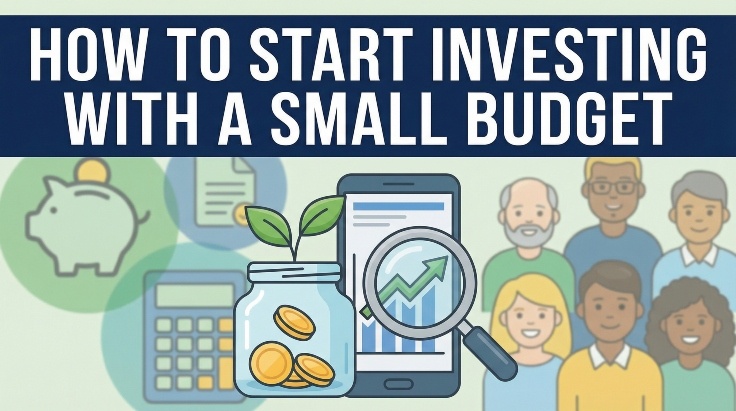
Getting started with investing can feel out of reach when you’re on a tight budget. A lot of people think you need to have huge chunks of cash set aside to buy stocks, funds, or even dip your toes into real estate.
That idea just isn’t true these days. Technology and new investment platforms have flipped things around.
Even if you only have five, ten, or twenty bucks to spare each month, you can start putting your money to work.
I’ve seen it myself, and I’m here to walk you through how it really works. No big risks, no fancy finance degree required, and no pressure to try and “time the market.”
You’ll find tips, practical advice, and simple steps so you can actually feel confident getting started, no matter how limited your budget feels.

Can You Really Start Investing With Very Little Money?
There’s this old myth that you have to save up thousands before even thinking about investing.
I used to believe this too, mostly because traditional brokers set minimums and fees that ruled out small accounts.
But things have changed in a big way. Thanks to online brokers, commission-free trading, and investing apps, anyone can start investing with as little as $1 in their pocket or a single paycheck.
It’s easy to overlook how quickly small amounts add up.
This is where the power of compound growth really shows up. When you invest, any returns get reinvested, so your money starts earning profits on profits.
That’s how people grow wealth slowly, steadily, and with way less stress compared to suddenly dumping in large amounts and worrying about big price swings.
Focusing on starting early beats starting big.
Even if you only stick to $20 or $50 each month, those regular contributions create momentum.
The results won’t appear overnight, and you’ll need patience. But when you look back after a few years, you’ll see how those small deposits begin to stack up.
Set realistic expectations, aim for regular contributions, and just keep moving. Slow growth is better than no growth at all.
Benefits of Investing With a Small Budget
One of the best parts about starting small is that it makes investing way less scary. You’re not risking your rent money or stressing over market moves.
Even if the market dips, losses on smaller amounts don’t sting as much, so you’re less likely to react emotionally, and that’s really important for learning to stay the course.
I found that when you’ve only got a little bit riding on the market, you get to learn as you go. You’ll make some mistakes, watch your money go through its first ups and downs, and see which strategies work for you.
Over time, this builds financial discipline and good saving habits. Some of the most effective investors I know started out with almost nothing, picking up real-world experience as they built their portfolios step by step—proving that practice matters more than perfect timing or huge sums.
As you keep at it, that consistency reduces your fear of fluctuations. Eventually, a little loss or sudden change won’t send you into panic mode.
Instead, you start to take the long view, adapting stronger habits and getting comfortable with the natural ups and downs that come with investing.
In fact, many investors credit their eventual confidence to the times when their small investments taught them lessons during market volatility.
Step-by-Step: How to Start Investing With a Small Budget
- Step 1: Build an Emergency Fund First
If you don’t already have a bit of cash set aside for emergencies, that needs to come before buying any kind of investment. I like to keep about three to six months’ worth of essential expenses in a savings account. That way, if your car breaks down or you lose a job, you won’t need to pull money out of your investment account when the market’s down. It’s a safety net, and it keeps you from making panicked withdrawals. - Step 2: Pay Off High-Interest Debt
Credit card debt can be brutal. The interest rates are usually way higher than any normal investment return, so if you’re paying 18% or 25% on those balances, any money you put in the stock market probably isn’t going to catch up. Clearing high-interest debt should be a priority. Once your debts are under control, you’ll have freed up more cash for your future self. - Step 3: Set Clear Investment Goals
Think about what you want your money to do. Are you aiming to save for a house, a vacation, or just want a nest egg for retirement? Not all goals need the same timeline. For instance, short-term goals (like saving up for something you need in the next two years) are better served by low-risk savings options. Longer-term goals (five, ten, or more years) can handle a bit more market risk because you’ve got time to ride out downturns. One crucial goal is to stay the course through market ups and downs, keeping your eye on the big picture instead of reacting to short-term changes. - Step 4: Choose the Right Investment Platform
Not all brokers are the same. Some charge high fees or require a minimum deposit. When starting out, low fees matter more than ever. I look for beginner-friendly apps that let me start with small amounts, offer fractional shares, and don’t nickel and dime me every time I trade or move my money. Pay extra attention to the fees, simplicity of the app, customer service, and educational content they offer. Choosing a platform that offers resources for learning and growth helps you make smarter choices as you get more comfortable.
Best Investment Options for Small Budgets
After paying off debt and saving up your emergency fund, you might be wondering where to actually put your money. Here’s what I’ve found works for budget-minded beginners who don’t want to get into risky investments.
- Index Funds & ETFs: These funds bundle together dozens or hundreds of stocks or bonds. You don’t have to try and pick individual winners, as your money gets spread across lots of different companies in one shot. Index funds and ETFs usually have low fees, and lots of brokers let you buy in with small amounts or even fractions of a share. They tend to be less volatile than picking single companies.
- Fractional Shares: Not everyone has enough to buy a full share of Amazon or Apple. But with fractional shares, you can buy a slice of any company, even with just a dollar or two. This makes bluechip stocks accessible to anyone, and you can diversify your small investment across a bunch of companies, not just one.
- Dividend Stocks: Some companies pay cash (dividends) to shareholders, usually every three months. These stocks can create tiny streams of passive income that you can reinvest to buy more shares. For small budgets, dividend reinvestment plans are especially useful. Even reinvesting a few cents at a time trains you to see the power of compounding in real life.
- High-Interest Savings or Money Market Accounts: You won’t see huge returns here, but if you’re nervous about market swings or saving for something sooner, these accounts are a safe way to earn a bit of interest without much risk. Some online banks offer competitive rates that are much better than traditional brick-and-mortar options, so check your options and make your money work for you even outside the stock market.
- Crypto (Beginner-Level Exposure Only): Crypto might get a lot of hype, but it’s really risky if you don’t know what you’re doing. If you want to try digital assets, only put in what you can absolutely afford to lose, and keep it to a small portion of your total investments. Get to know the basics before jumping in, and always safeguard your crypto accounts with strong passwords and two-factor authentication.
Recommended Reading: How To Build A Balanced Investment Portfolio For Long-Term Growth As A Beginner
Smart Strategies When Investing Small Amounts
With a small budget, consistency and smart habits are everything. One tool I use is dollar cost averaging; this means you invest a fixed amount on a set schedule, like every week or month.
It’s a hands-off way to buy at both highs and lows, which tends to average out your buying price over time.
Automatic investing is another super useful feature. Set up a recurring transfer from your checking account to your investment app, and you never have to think about timing the market again.
This helps you avoid the temptation to skip or forget investments altogether. Pick a “set-and-forget” schedule for contributions that fits your paycheck cycle, and you’ll build your portfolio without even noticing the money is gone.
Whenever you receive dividends, even if they’re tiny, reinvest them instead of cashing out. This creates a snowball effect as the next round of dividends grows a little bigger each time.
Some brokerages offer automatic dividend reinvestment options, so you don’t have to pay attention to every payout.
Avoid chasing hot stocks or quick profits. The goal is steady, patient growth, not jumping in and out of investments or buying whatever’s trending on social media. Staying consistent, no matter what the market is doing, builds wealth piece by piece while keeping risk lower.
Remember that often it’s the boring, time-tested strategies that deliver real results.
Mistakes Beginners Make When Starting With Small Budgets
- Waiting Too Long to Start: Overthinking timing or trying to save up a big lump sum before you begin ends up costing valuable compounding time. Even small amounts add up if you start now. Don’t wait for a perfect moment—act as soon as you’re ready, even with what feels like pocket change.
- Trading Too Frequently: It’s easy to get caught up in market noise, but frequent buying and selling rack up fees and taxes. For smaller budgets, these extra costs really eat into returns, sometimes undoing all your hard work. Check your platform’s fee schedule to see how trades add up over time and stick to a “buy and hold” approach.
- Following Hype Investments: Jumping on the latest meme stock or crypto craze can be fun, but it’s usually a bad plan for growing your money. Stick with proven long-term strategies and only invest in things you understand. Research any opportunity before you get involved, and never put all your eggs in one basket, no matter how exciting a trend may look.
- Ignoring Fees: Fees that look small at first, like a buck or two per trade, can seriously reduce the gains from small accounts. Always check for transaction fees, management expenses, and service charges. Even a 1% fee can make a big difference to total returns over a decade, especially when starting small.
- Trying to Get Rich Quickly: If someone promises huge gains with no risk, that’s a sick signal to walk away immediately. Steady, predictable growth is the real way to build wealth on a tight budget. Trust in your plan and avoid shortcuts—they rarely work out when it comes to money.
How Much Should Beginners Start With?
I get this question all the time, and there’s no magic number.
Some people start with $10 a week, others with $20 or $50 a month.
Pick an amount that fits your own budget comfortably, something you won’t miss or need to pull out in a pinch.
Monthly investing works really well for beginners. Set up automatic transfers so you don’t need to think about it.
Even $5 or $10 a week adds up to hundreds by the end of the year. If you get a windfall, like a tax refund or bonus, you can throw in a one-time lump sum too, but part of the value is sticking with it over time. If your finances change for the better, try bumping up your regular contributions—you’ll feel the difference years down the line.
When your income goes up or you pay off debt, bump your contribution. The habit matters more than the amount in the beginning, and over time, you can grow how much you put in as you get more comfortable and your financial situation improves. I advise checking in with your plan every few months to see if you can add more or rebalance your accounts to match your goals.
Mindset Shifts That Help Small Investors Win
Mindset plays a massive part in how successful you’ll be as an investor, especially on a smaller budget.
I focus on building the habit of investing, not chasing quick results. Developing a steady, predictable routine is way more important than getting hung up on daily price swings or market headlines.
Collect small victories along the way, like consistently putting in your set amount or reaching a savings milestone.
Keeping a long-term perspective helps block out short-term noise. When the market dips or stalls for a while, zoom out and remember why you started. You’re building for years or even decades, not just next week.
This perspective helps you avoid knee-jerk reactions that can hurt your financial progress in the long run.
Financial education is another game-changer. Even reading a few free blogs, listening to podcasts, or following trusted sources helps you avoid common mistakes.
Knowledge closes the gap between feeling lost and feeling in control of your future. Joining online communities, asking questions, and comparing notes with other small investors can boost your motivation and give you new ideas to work toward your financial goals.
I also look for ways to increase my income, not just maximize what I save. Whether it’s a side gig, asking for a raise, or learning a new skill, boosting how much you earn gives you more to invest, speeding up your progress. This extra cash can go straight into investments, accelerating your path toward financial independence. At the end of the day, the more you make, the more options you have to move your money toward your dreams.
Get started with my number one recommended business training platform.
Final Thoughts: Small Steps Lead to Big Financial Growth
Getting started with just a few dollars sounds humble, but it’s the first move that makes the rest possible.
Staying consistent, regardless of market moves, is what matters most. Over time, those deposits plus compounding add up to rewards much bigger than where you started.
Focus on the growth you’re creating, not just the starting point—momentum builds over time.
I’m always a fan of building your skills and boosting your income while you invest. Together, these habits make sure that you’re growing your money, building confidence, and learning how to use your finances to shape your life.
If you want to check out more ways to build income that fit alongside your investing plans, I’ve found this training platform pretty handy.
The more you learn, the more you can take up a notch—not just your investments, but your entire financial picture.
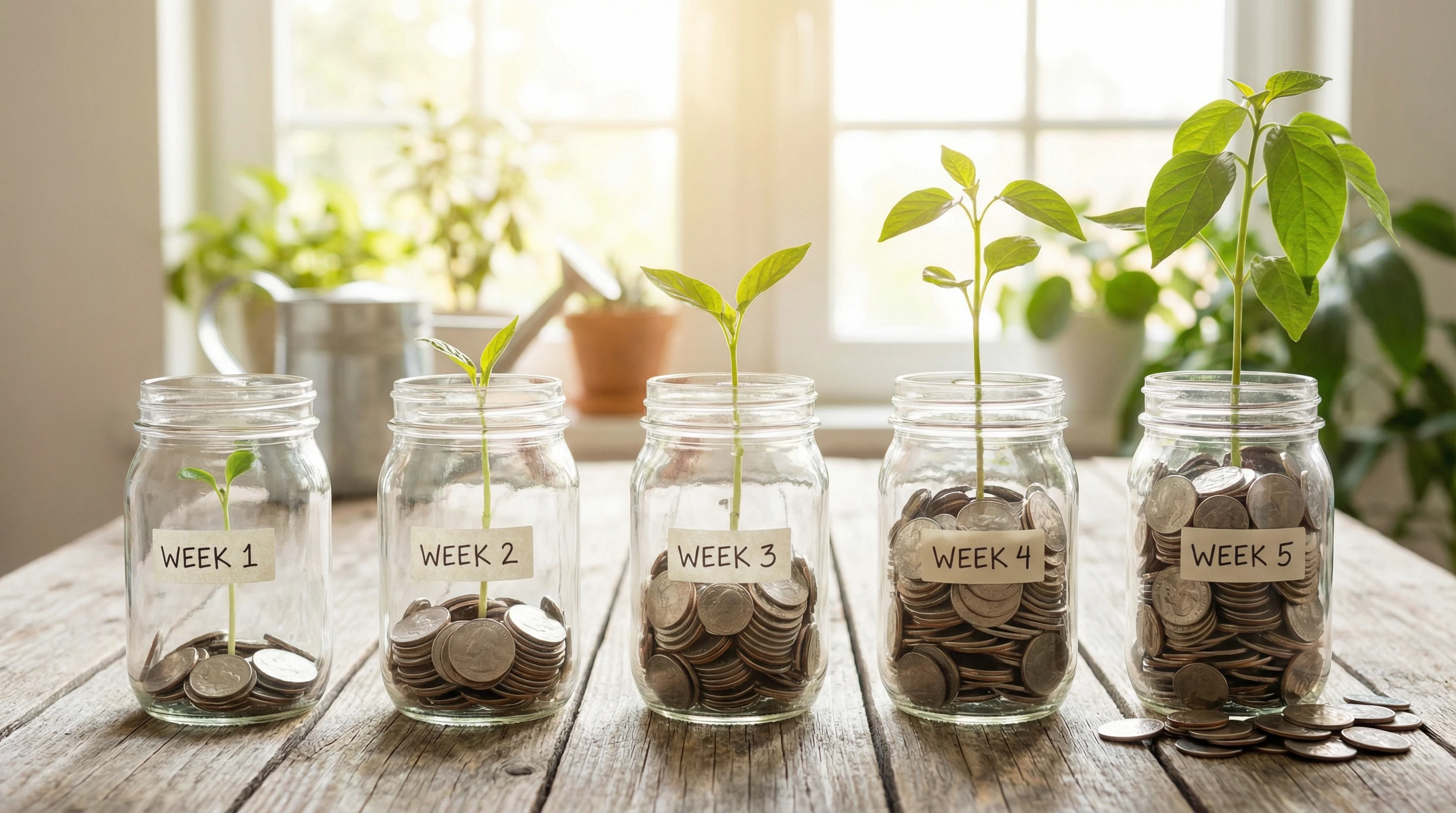
Investing Is Powerful. But Increasing Your Income Makes It Easier
The faster you grow your income, the easier it becomes to invest consistently. Here’s what you’ll track down with my go-to platform:
- Simple online income streams that work even for beginners
- Skills and strategies for long-term financial growth
- Ways to create extra stability that don’t depend on the stock market alone
Check out my #1 recommended training platform here

This training platform is called Wealthy Affiliate. It’s the same platform that I used to get started when I was clueless about starting an online business back in 2015. You can test out their training for free with a STARTER account here. Or, if you want, check out my detailed Wealthy Affiliate review here.
Wishing you Everything of the Best In Yoyr Investing Future.
Regards and Take Care
Roopesh